

Blog
Notes on research, methods, and releases.
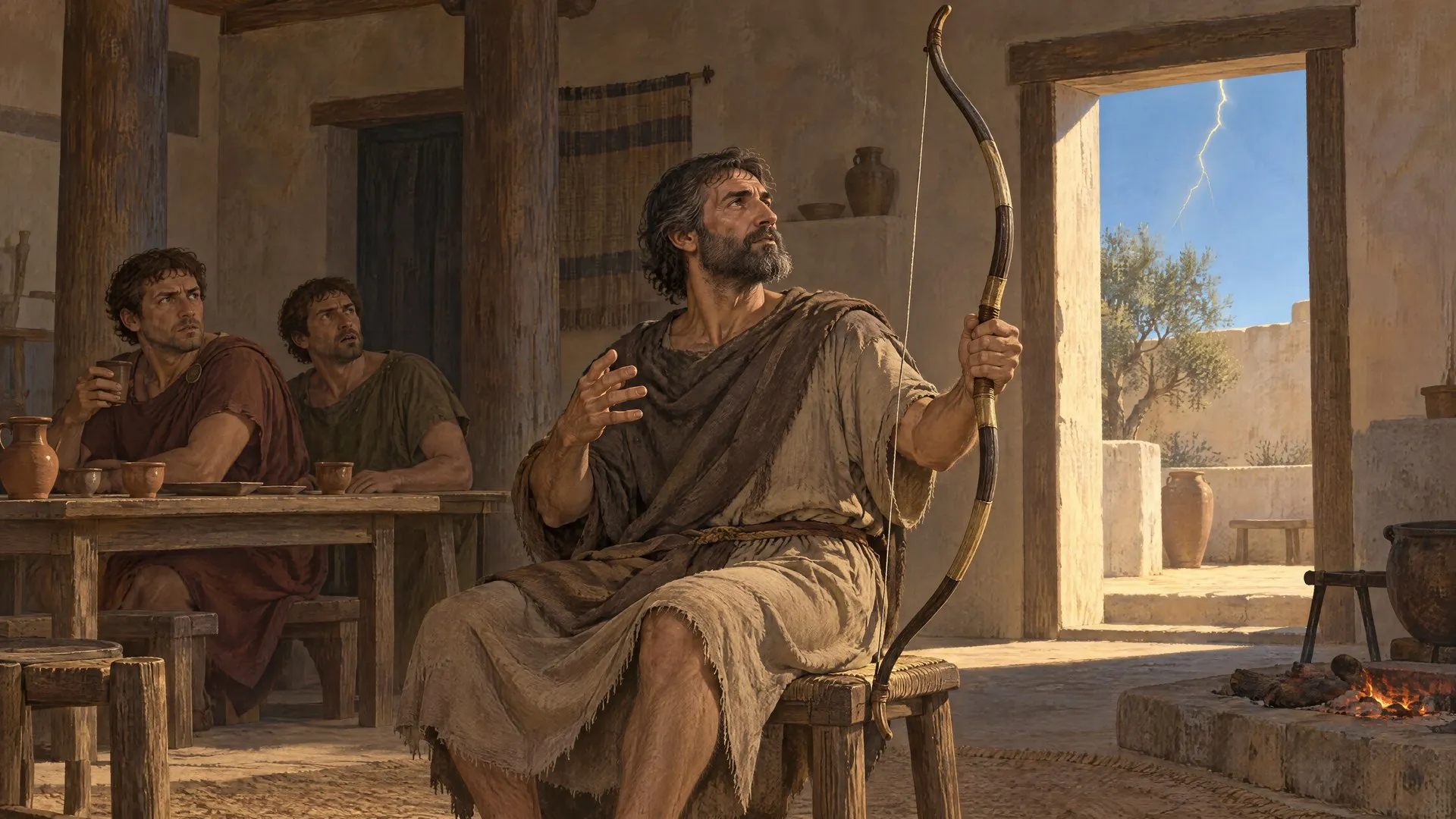
Essays · 9/18/2026
The God Who Makes Men Forget, the Man Who Will Not: The Ending of the Odyssey
For anyone left unsettled by the ending of the film The Odyssey. The original goes on after the suitors are killed, and it closes with a god making the people forget so that peace can follow. How did the film change that ending? Two endings, on forgetting and memory, read side by side from the lines of the poem (the film's ending is discussed).
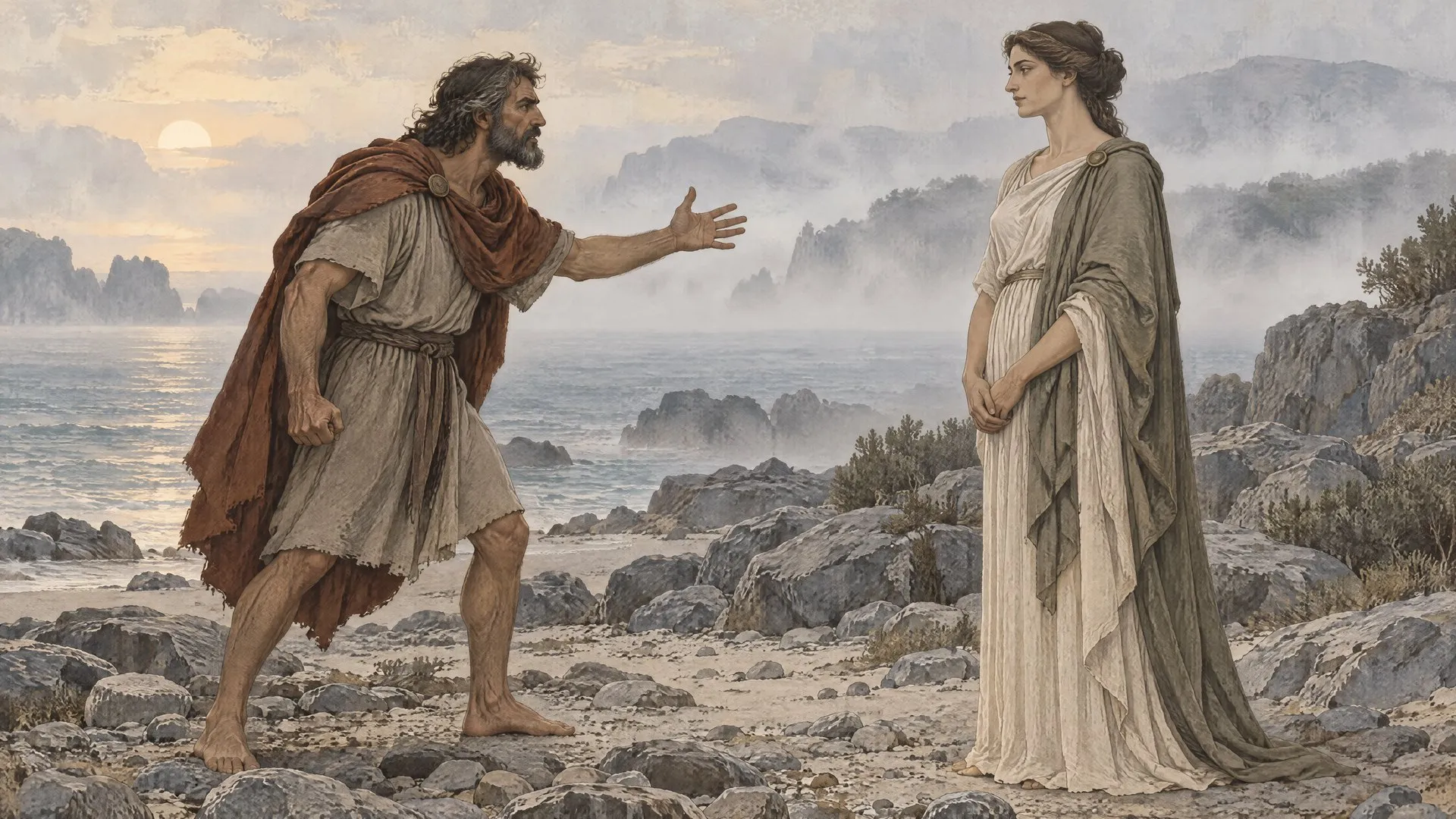
Essays · 9/10/2026
Athena in the Odyssey: How Do Homer and the Film Differ?
Why does the film's Athena neither save the hero nor blame him? Set her beside the goddess of the original, who shares her cunning with Odysseus and intervenes at every turn of his homecoming, and the film's design comes into focus.
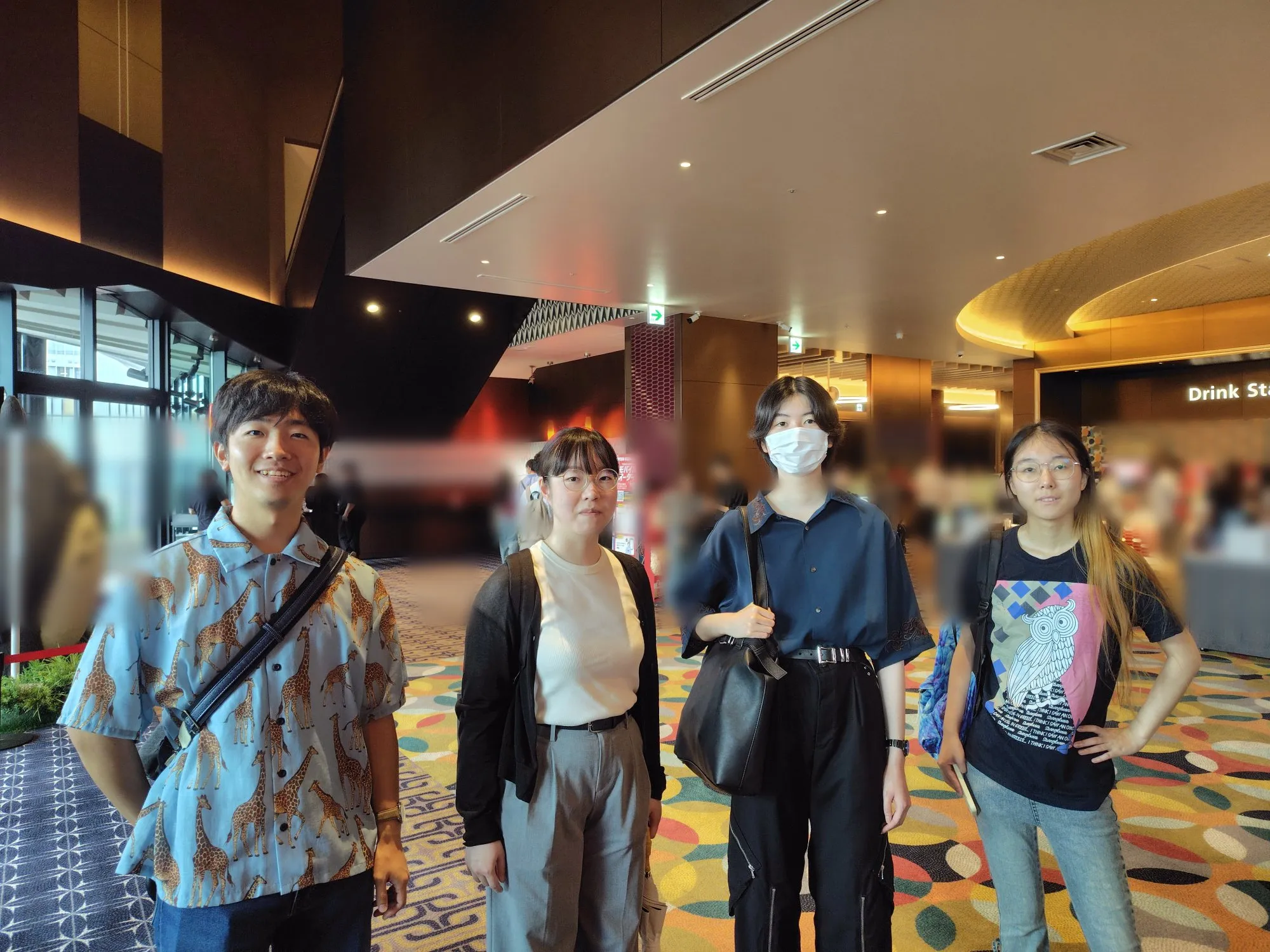
Project Notes · 9/9/2026
We Went to See The Odyssey
Four of us from Humanitext saw Christopher Nolan's The Odyssey at an advance screening. Over lunch the talk turned to the armored giants, the Sirens' song, and the journey after the homecoming. Here is what the original says about each, without spoilers.
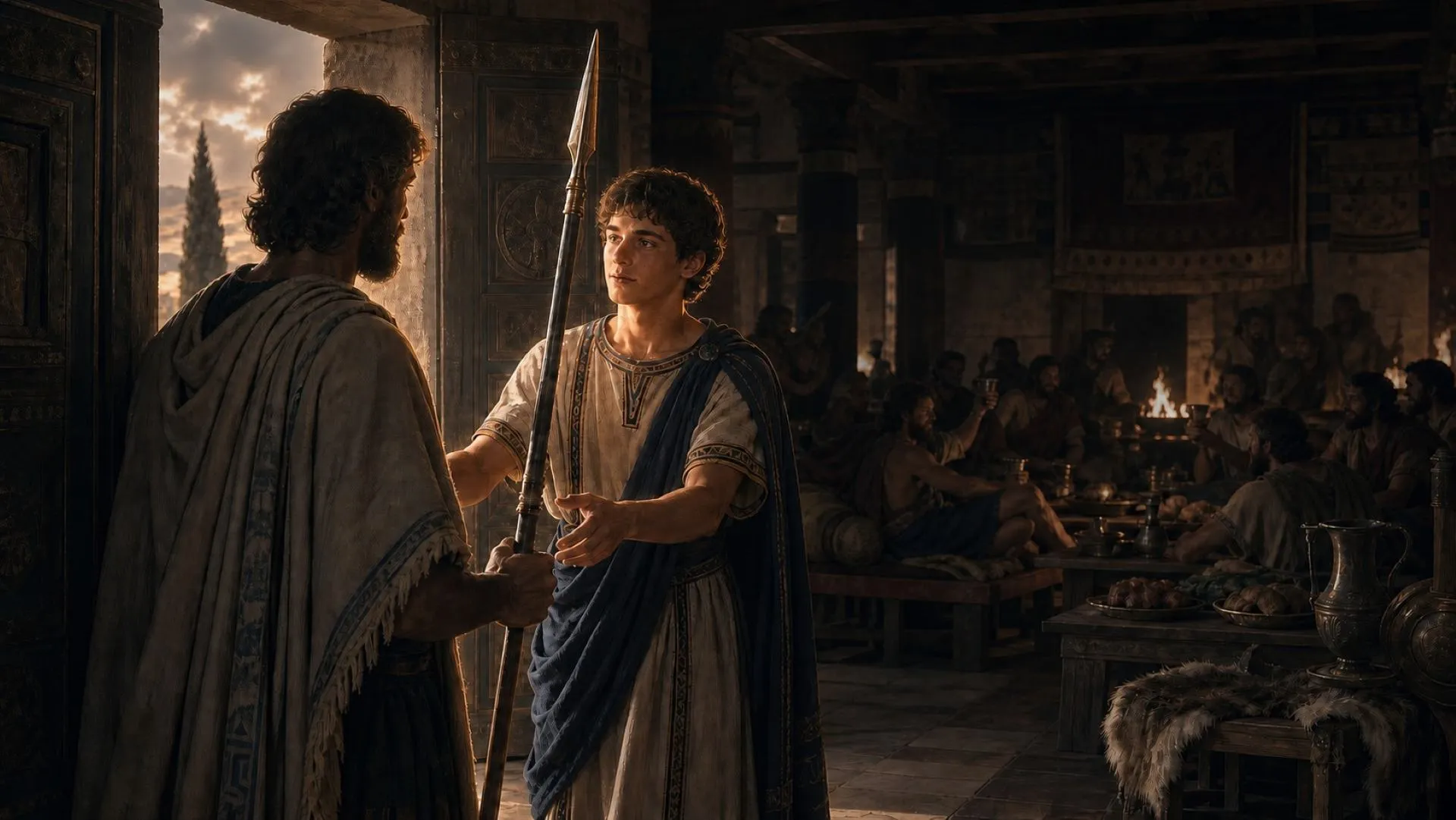
Essays · 8/27/2026
Ask the Guest's Name After the Meal: The “Law of Zeus” in the Odyssey
The suitors eat and drink their way through Odysseus's house. What is the “law of Zeus” that governs the treatment of guests? Scenes of hospitality in Homer's Odyssey show how a guest should be received, and how far the suitors have strayed from it.
Project Notes · 8/25/2026
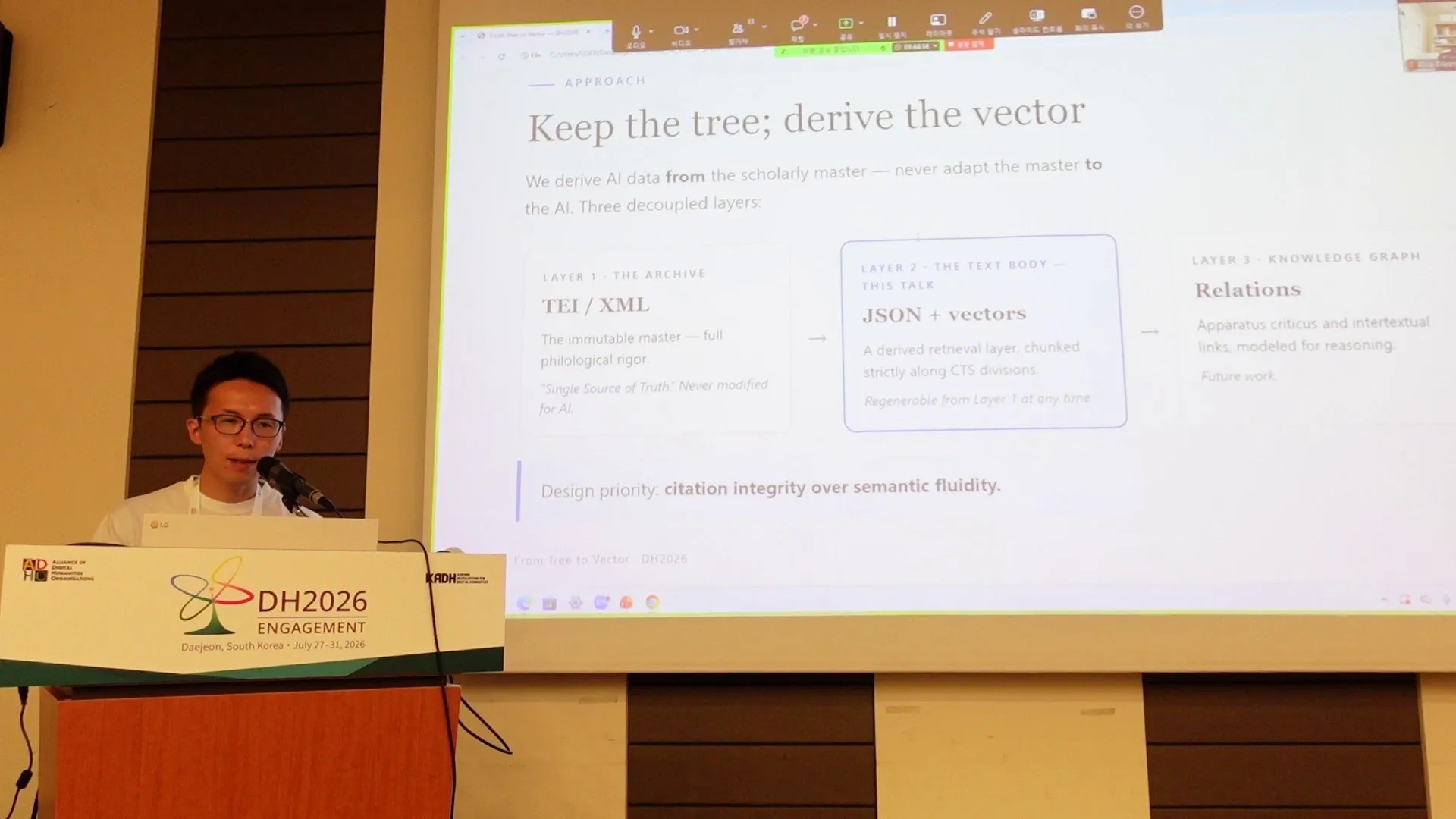
DH2026: AI Translation and the Work of Building Research Infrastructure
Notes from DH2026 in Daejeon: presenting and fielding questions in Japanese with the aid of real-time AI translation, and reflecting on the distance between novelty in research and the less visible work of building infrastructure that scholars actually use.
Project Notes · 8/25/2026
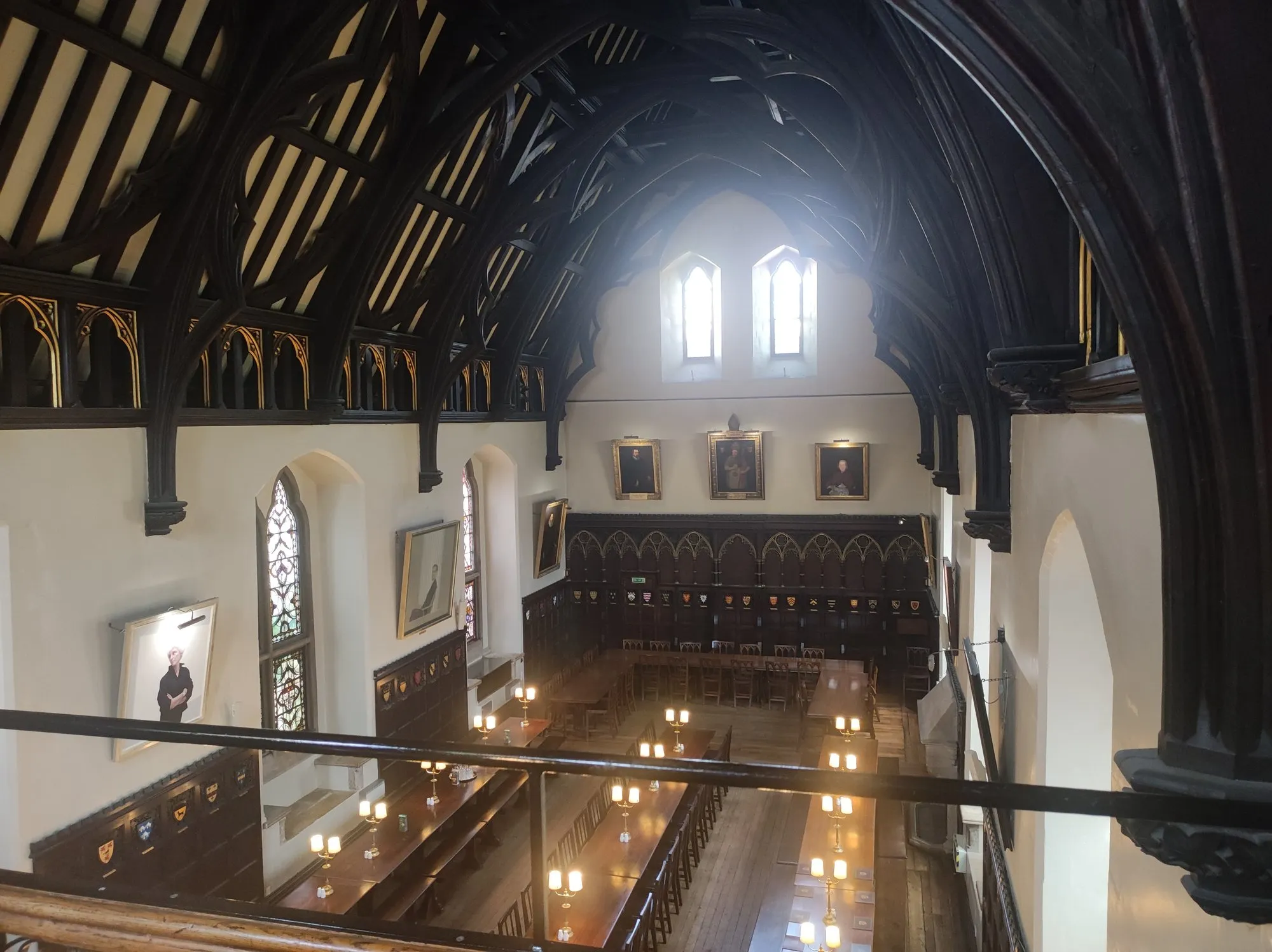
An Oxford Visit: Where Classical Scholarship Meets Digital Technology
We visited Professor Jonathan Prag at Merton College, Oxford, to discuss I.Sicily, his digital corpus of Sicilian inscriptions, its possible connections with Humanitext, and how digital methods and AI are received within classical scholarship — with visits to Keble College and the new humanities centre.
Essays · 8/21/2026
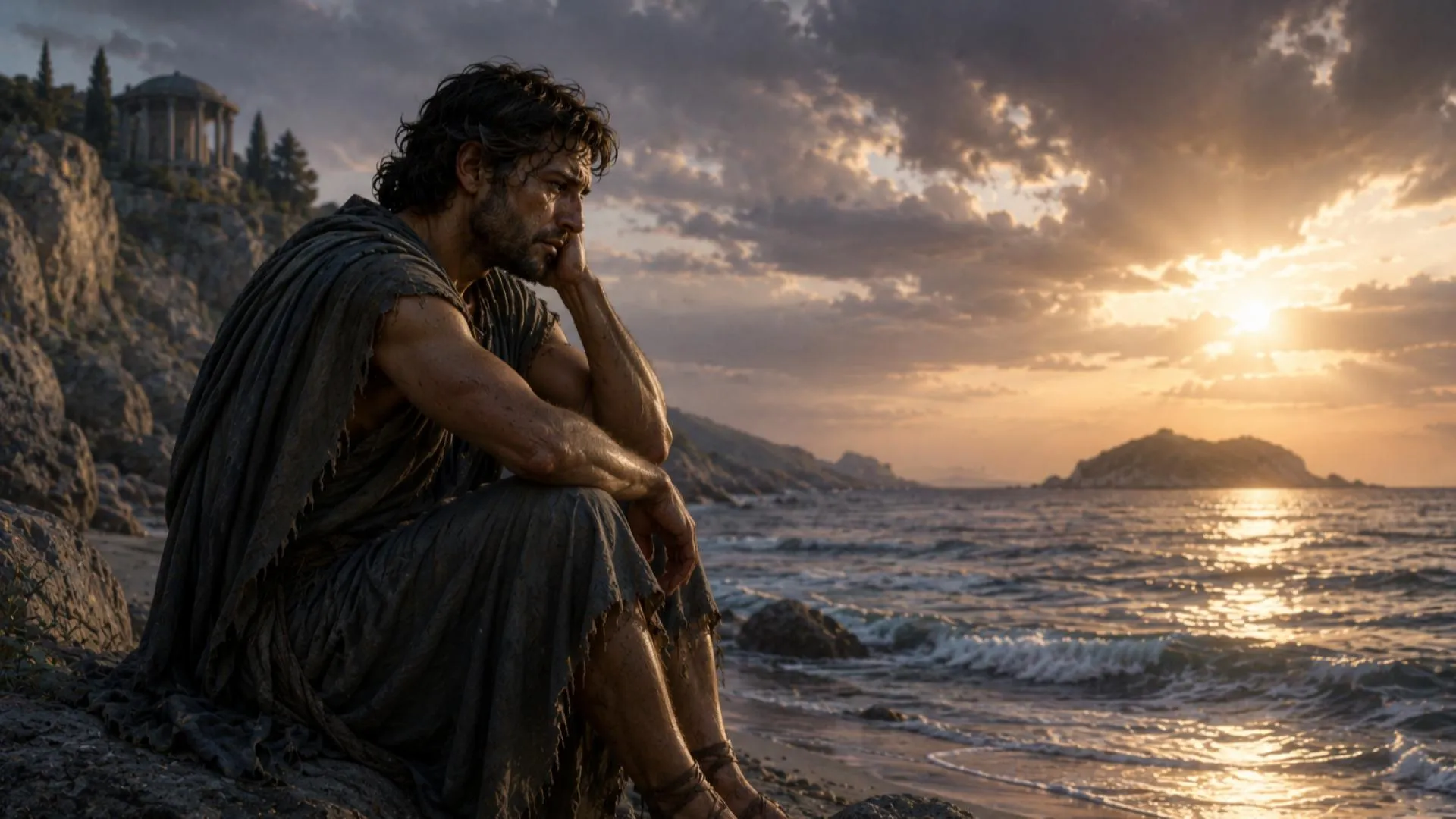
The Odyssey: “Nostalgia” Was the Pain of Being Unable to Return
The opening lines of the poem behind the film The Odyssey hold the two words that would later give us “nostalgia”: homecoming and pain. A guide to the original, where the hero weeps on a shore he cannot leave, and endures.
Essays · 5/22/2026
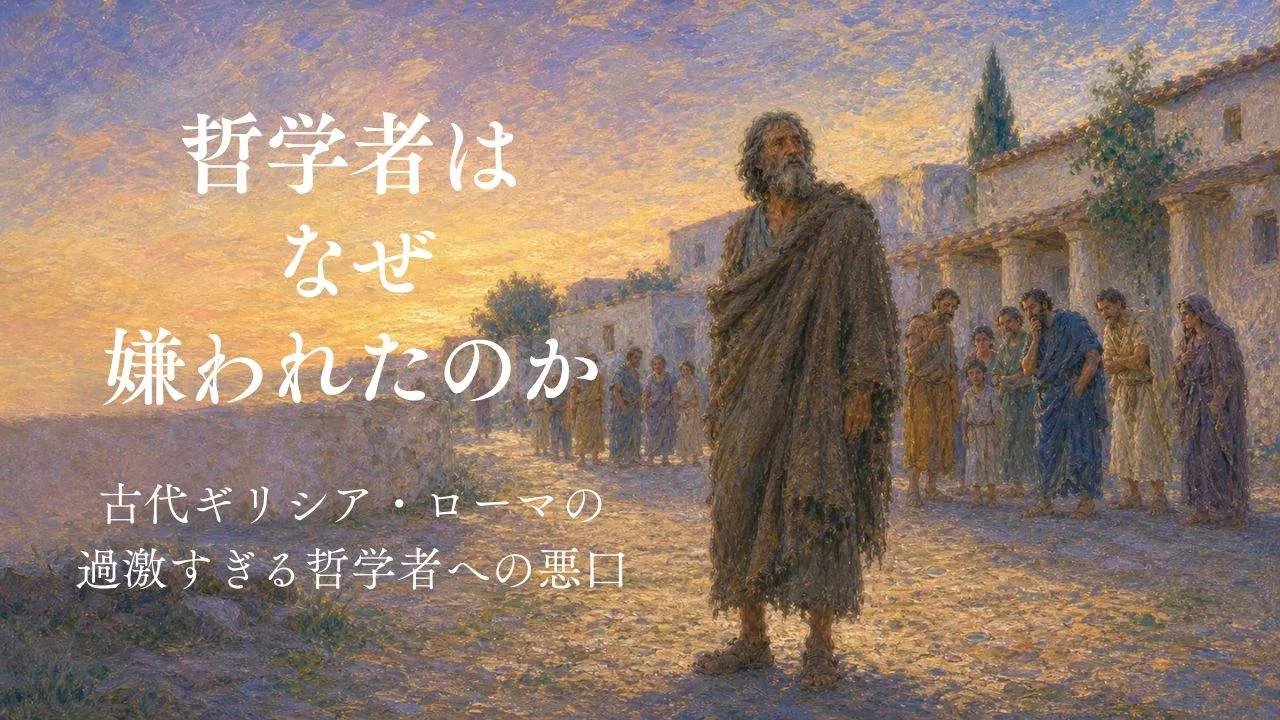
Why Ancient Greeks Hated Philosophers: The Harshest Insults
Socrates was mocked as a poor chatterbox, and philosophers were dismissed as useless in real life. These ancient Greek and Roman insults reveal the irritation and unease that professional thinkers provoked.
Quote Collections · 1/30/2026
Standing by Your Beliefs: Quotes from Watsuji, Miki, and Others
Through quotations from Tetsuro Watsuji, Kiyoshi Miki's Notes on Life, Kanzo Uchimura, and others, we explore a life guided by conviction and conscience rather than results or public opinion.
Quote Collections · 1/30/2026
Respecting Others - The Dignity of Maturity
Do you ever find your mind unsettled by the behavior of those different from you? True freedom lies in respecting each other's individuality and connecting through the invisible bond of trust. Here is the "wisdom of sages" for harmonizing coolly with society without losing sight of yourself.
Quote Collections · 1/23/2026
Japan's Seasons Through Writers' Eyes: A Collection of Quotes
Through Takahama Kyoshi's writings on haiku, Kunikida Doppo's Musashino, and the words of Masaoka Shiki and others, we trace the sensitivity with which Japanese writers have observed nature and the changing seasons.
Quote Collections · 1/23/2026
Japan's Primal Landscapes - A Tale of Memories Told by the Land
Superimposing the deceased onto the buzzing of flies, seeing gods in one-legged scarecrows. For Japanese people, these mysterious stories were not fantasy, but "life" itself, right next door. Longing for lands beyond the sea, legends remaining in ancient mounds. Why not travel through the frightening yet gentle "primal landscapes of the heart" gathered by Kunio Yanagita, Lafcadio Hearn, and others?
Quote Collections · 1/9/2026
To Wonders Beyond Logic - The Beautiful Abyss Peered into by Scientists
Science is not just cold calculations. It is awe for nature beyond human understanding and an endless quest for beauty. Seeing the universe in a snowflake, feeling the ferocity of life in roadside grass... These are the adventurers of knowledge who confronted the overwhelming "mysteries" that appear only at the end of logic. We touch upon the records of their quiet yet passionate souls.
Quote Collections · 12/19/2025
The Soul Screaming "I" - Stories of Fate and Pride by Modern Women
Should women's lives be plastered over with resignation to fate? Or is it a battle to break through social barriers and win one's own "life"? The dry self-mockery spat out by Ichiyō, the poignant scream released by Akiko for her beloved. We listen to the cries of their souls as they resisted the chains of their era, struggling through the mud to establish the "self."
Quote Collections · 12/19/2025
In Search of Unfading Illusions - Time and Memory Depicted by Great Writers
Memories—aren't they often more beautiful, and yet more cruel, than reality? The traces of a face in a photograph can be more vivid than the real thing, or love alone might remain even after a name is forgotten. Here, we depict "days gone by" that have crystallized within memory, transcending physical time. Why not take a peek into this world of lost time, which shines precisely because it can never return?
Essays · 12/18/2025
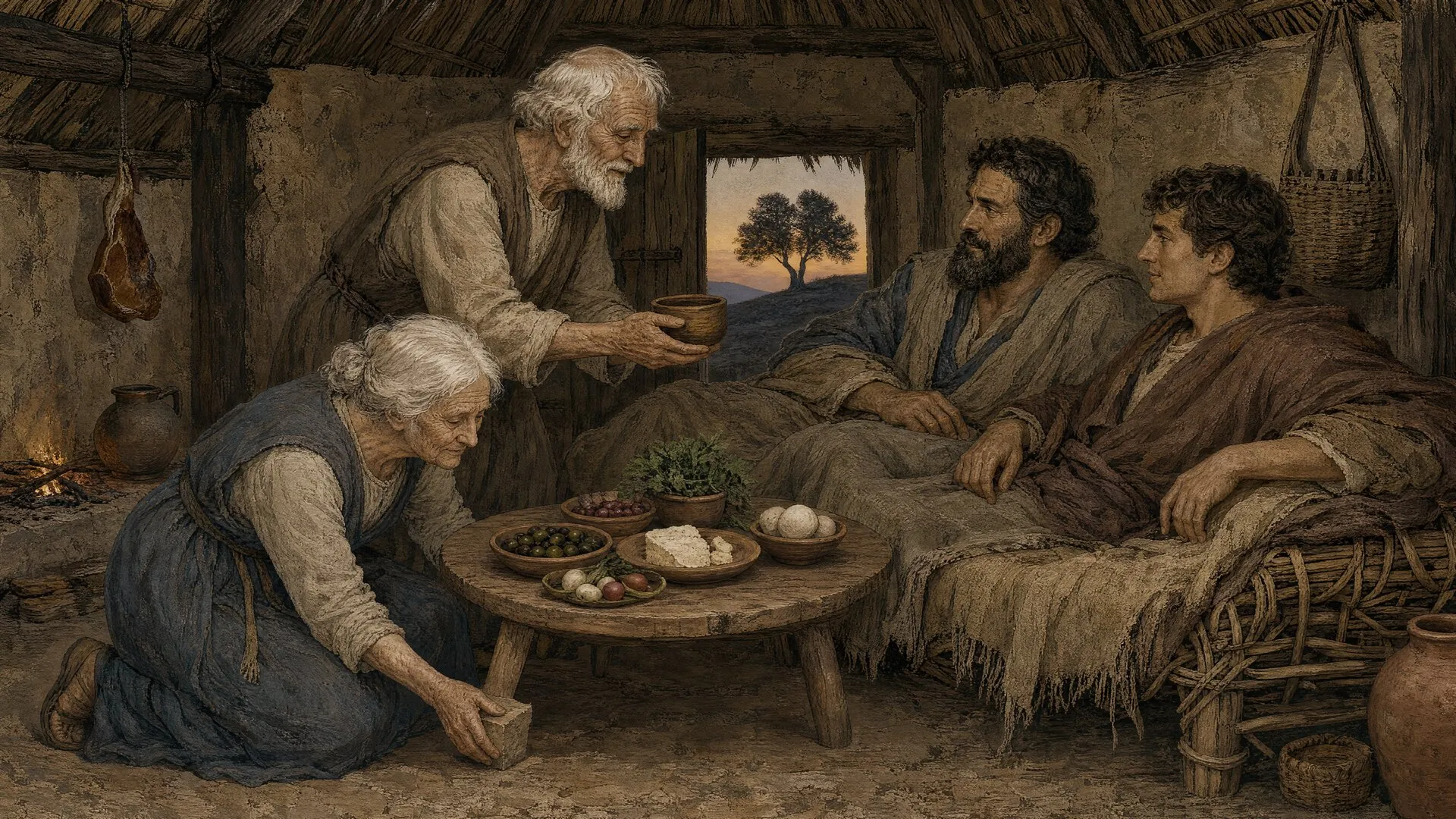
Why Did Baucis and Philemon Become Two Trees?
Baucis and Philemon were the only poor couple to welcome two gods disguised as travelers. As their reward, they became two trees standing together at death. Read Ovid's story of hospitality and devotion.
Essays · 12/16/2025
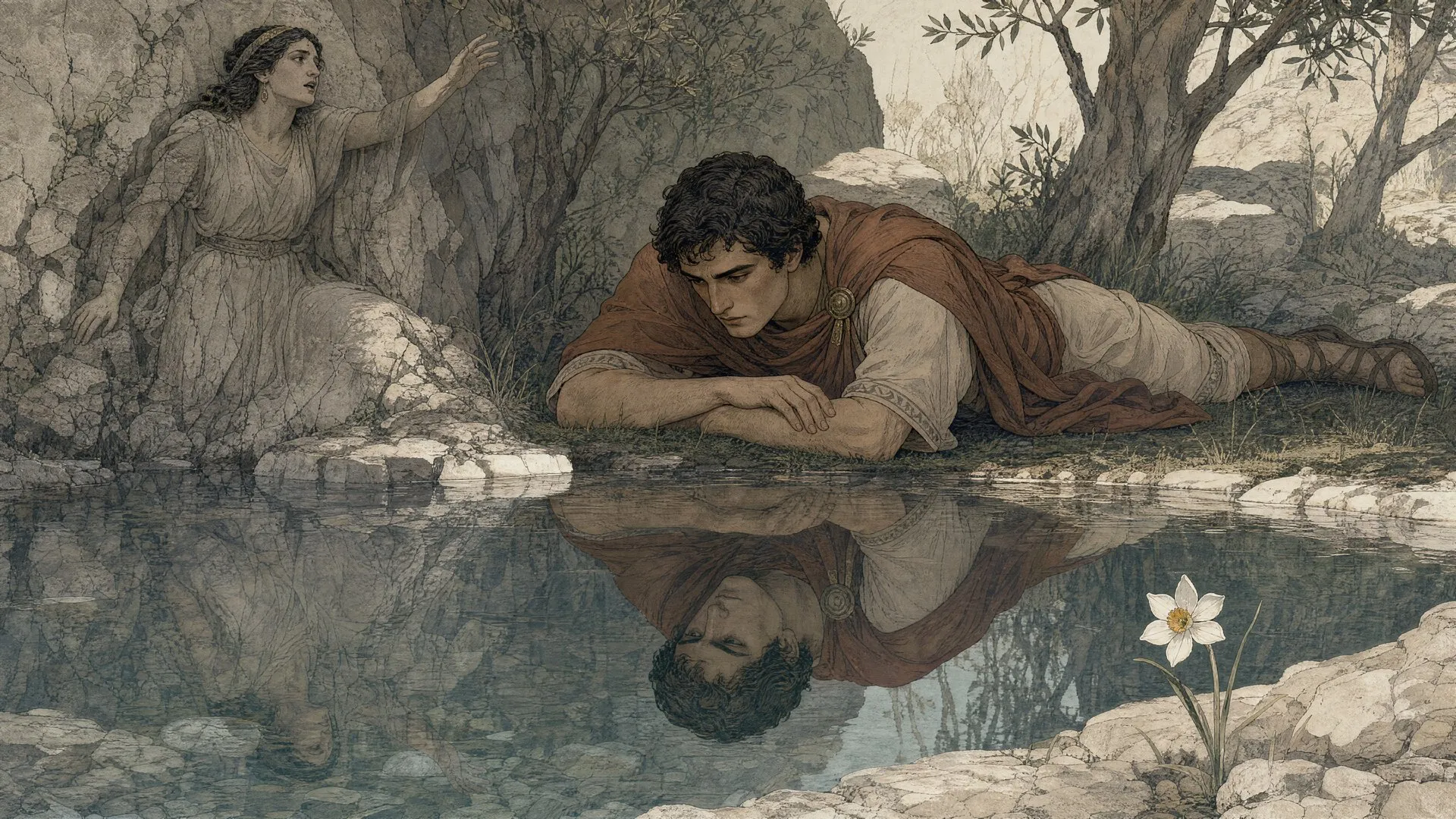
Narcissus and Echo: The End of Two Unrequited Loves
Narcissus fell in love with his own reflection and died beside the water; Echo, whom he rejected, faded until only her voice remained. Read their intersecting tragedies in Ovid's Metamorphoses.
Quote Collections · 12/12/2025
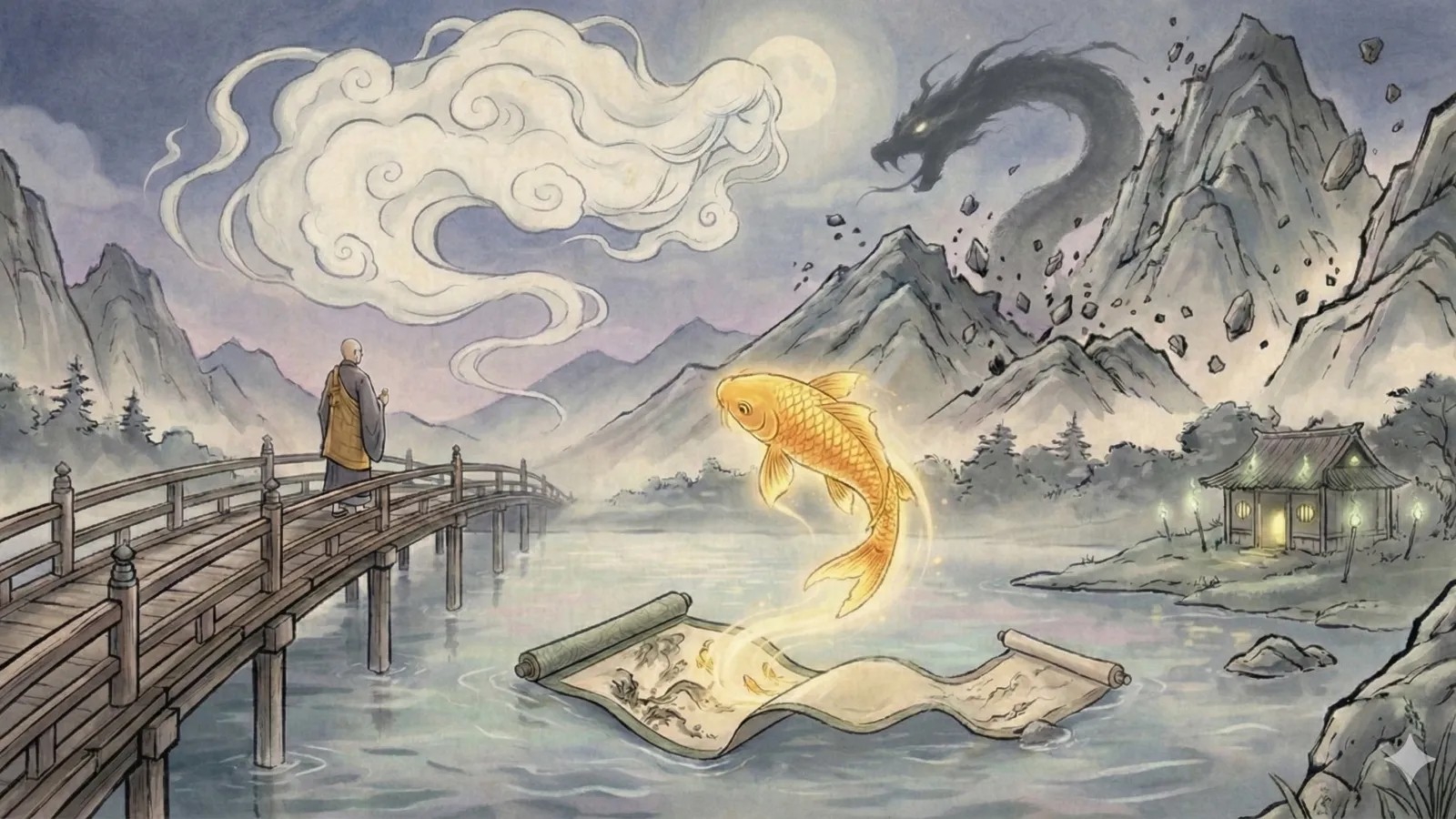
Drifting Between Dream and Reality: Quotes on the Beautiful and the Uncanny
Night was once a gateway to an otherworld that could lead people astray. Ueda Akinari, Lafcadio Hearn (Koizumi Yakumo), and Izumi Kyoka evoke a haunting world where dream and reality, terror and beauty blur. Golden scales glimmer beneath the water, breath turns white in the snow, and a beast's presence is felt just beyond a wooden door. Enter a world of uncanny beauty glimpsed through the cracks in everyday life.
Quote Collections · 12/12/2025
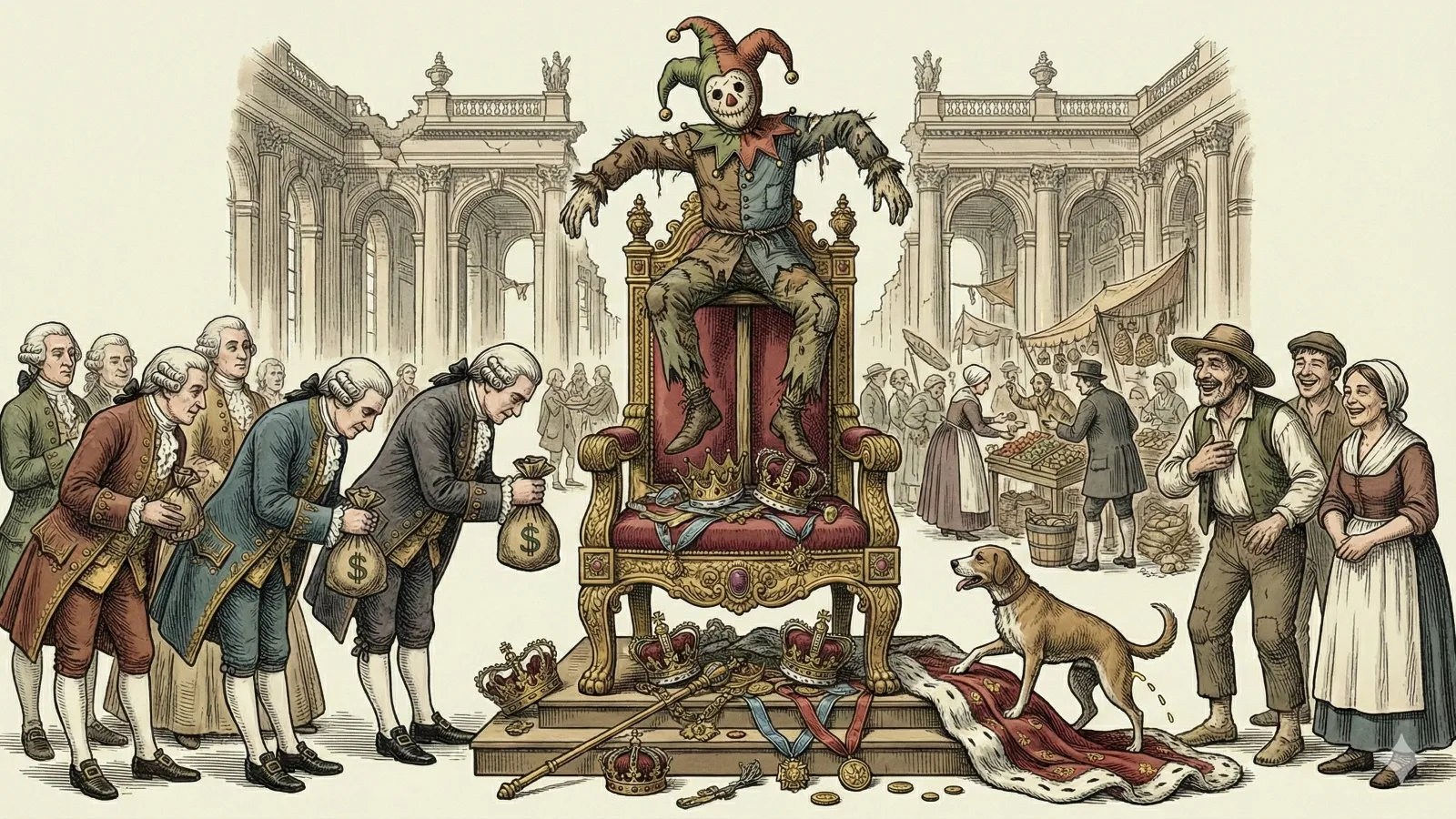
Ironic Quotes from Japan's Literary Masters: Wit That Cuts
A collection of lines that brilliantly betray common sense, gathered from Japan's literary giants. Their irony is not mere mischief but a blade that reaches the contradictions of society more surely than any straight argument.
Quote Collections · 12/12/2025
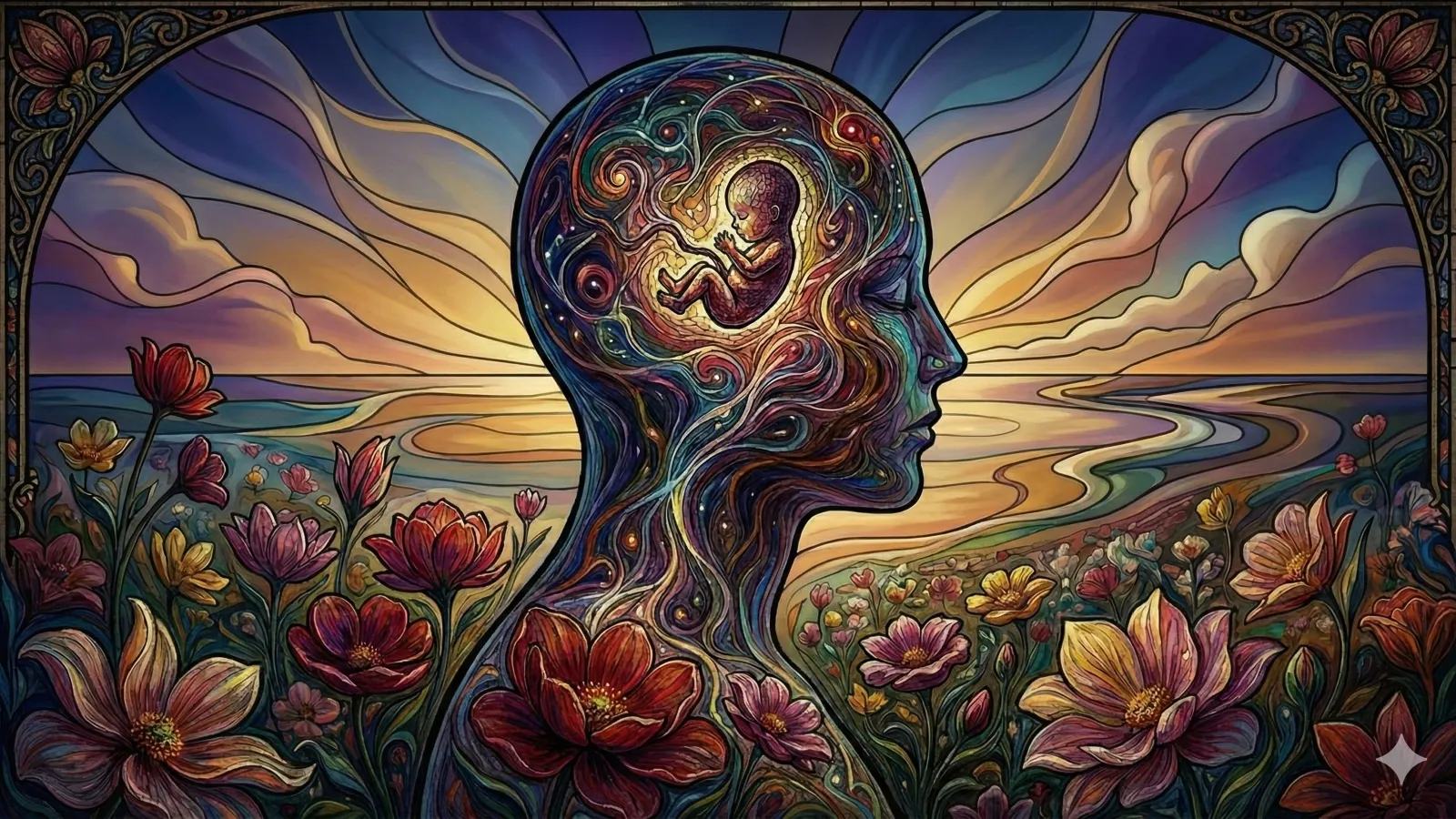
Madness Mocking Reason - The Aesthetics of "Collapse" Projected by Two Geniuses
Can you say with certainty that this world is not merely someone else's dream? Yumeno Kyusaku and Edogawa Ranpo. These two geniuses vividly destroy the "reality" we believe in. Nightmares that cover the world, empty realities, artificial beauty blooming with poisonous vibrancy... The world you trusted crumbles noisily away. Why not experience that shudder, akin to vertigo, for yourself?
Essays · 12/11/2025
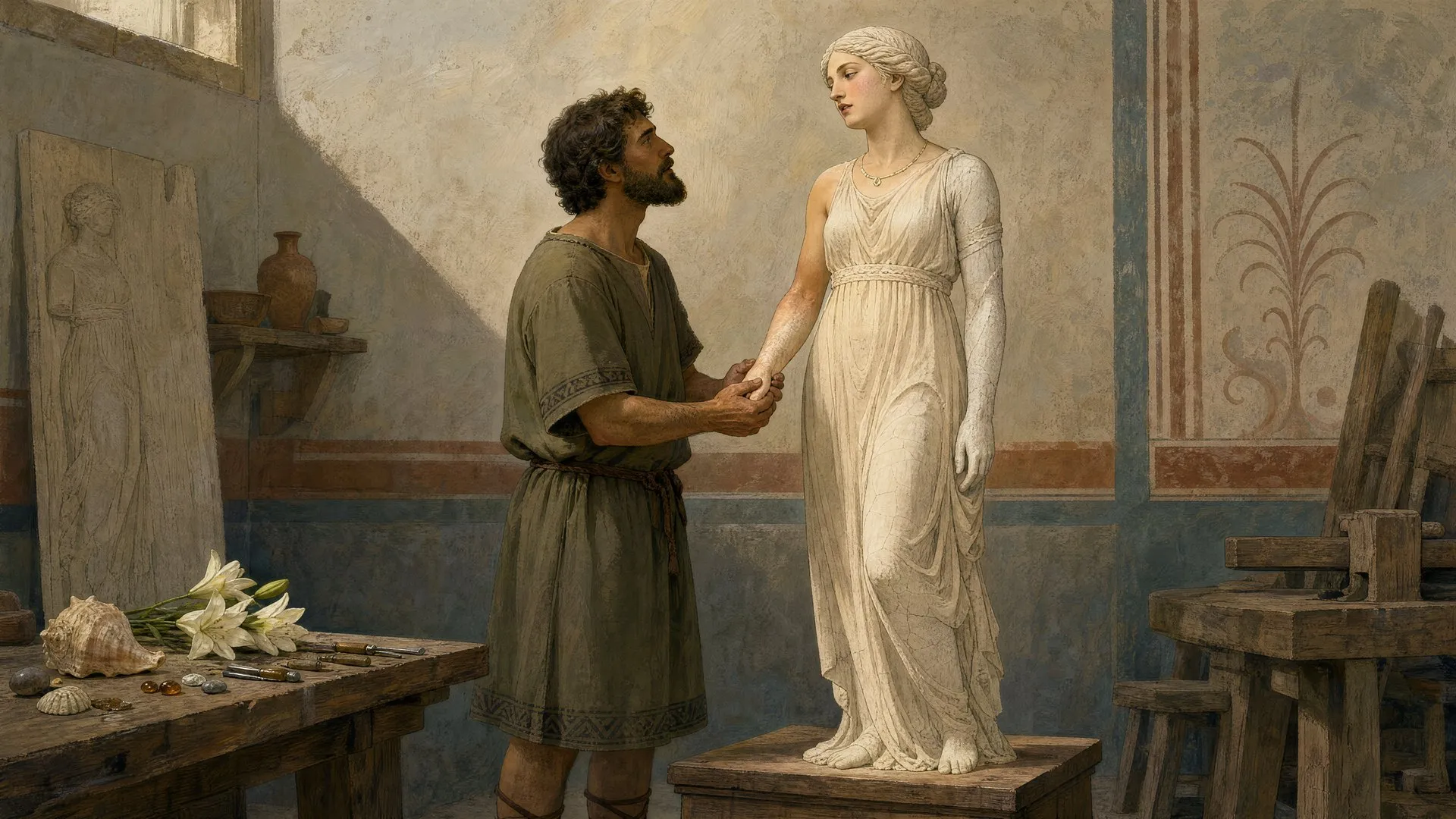
Pygmalion's Beloved 'Galatea' Originally Had No Name
Pygmalion fell in love with an ivory statue that Venus brought to life. Yet Ovid never calls her Galatea. Explore the transformation and how the later name became attached to the myth.
Essays · 12/11/2025
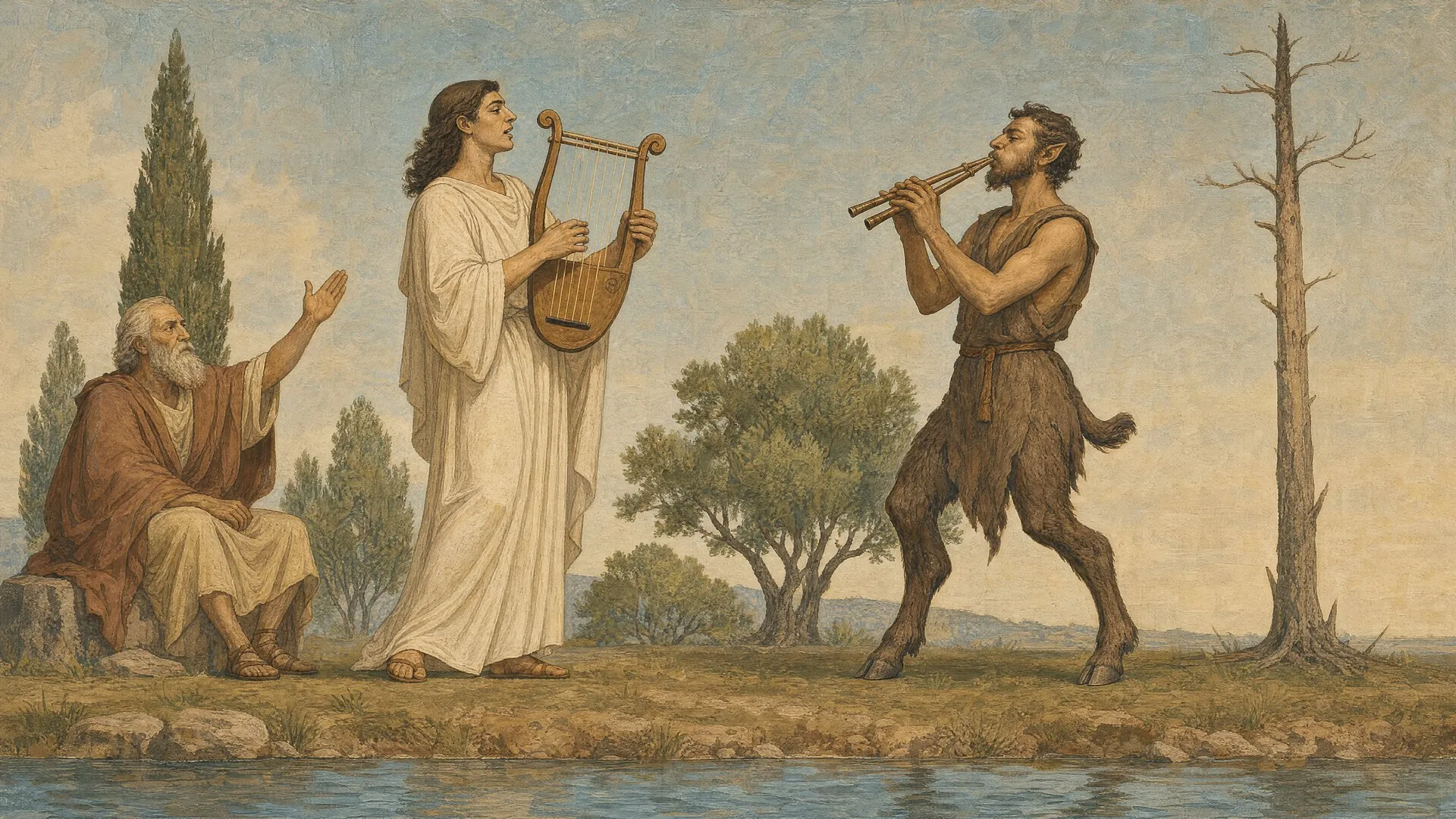
Apollo and Marsyas: The Price of Challenging a God
Marsyas found Athena's discarded pipes and challenged Apollo to a musical contest. After losing, he was flayed alive. Trace the instrument, the contest, and the brutal punishment in ancient sources.
Quote Collections · 12/5/2025
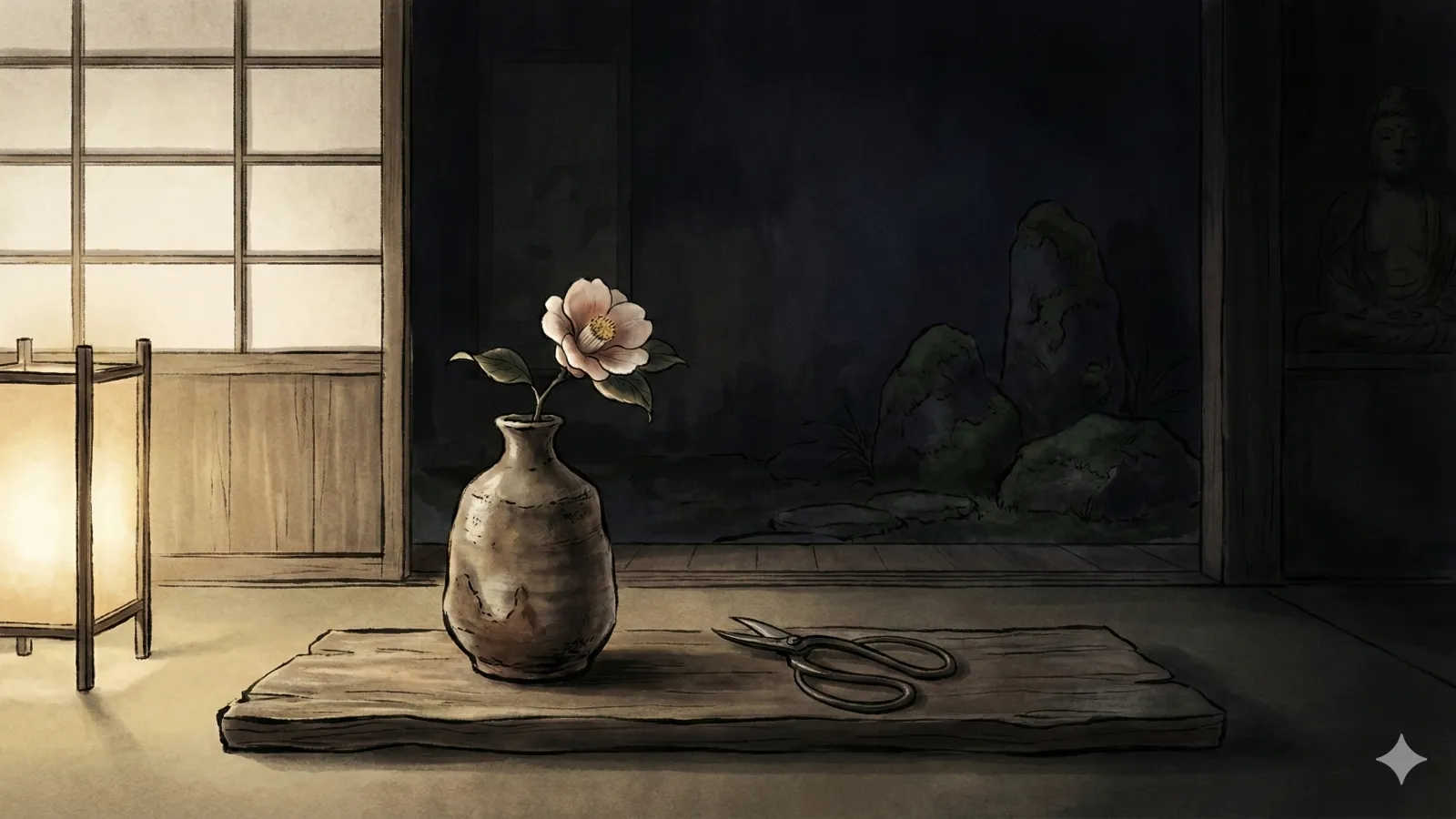
Japanese Aesthetics: The Beauty of Shadows and Imperfection
Japanese aesthetics has long valued what is incomplete over what is whole, and shadow over light. Through the words of Tanizaki, Okakura, and Watsuji, this collection explores the sense of imperfect beauty and transience.
Quote Collections · 12/5/2025
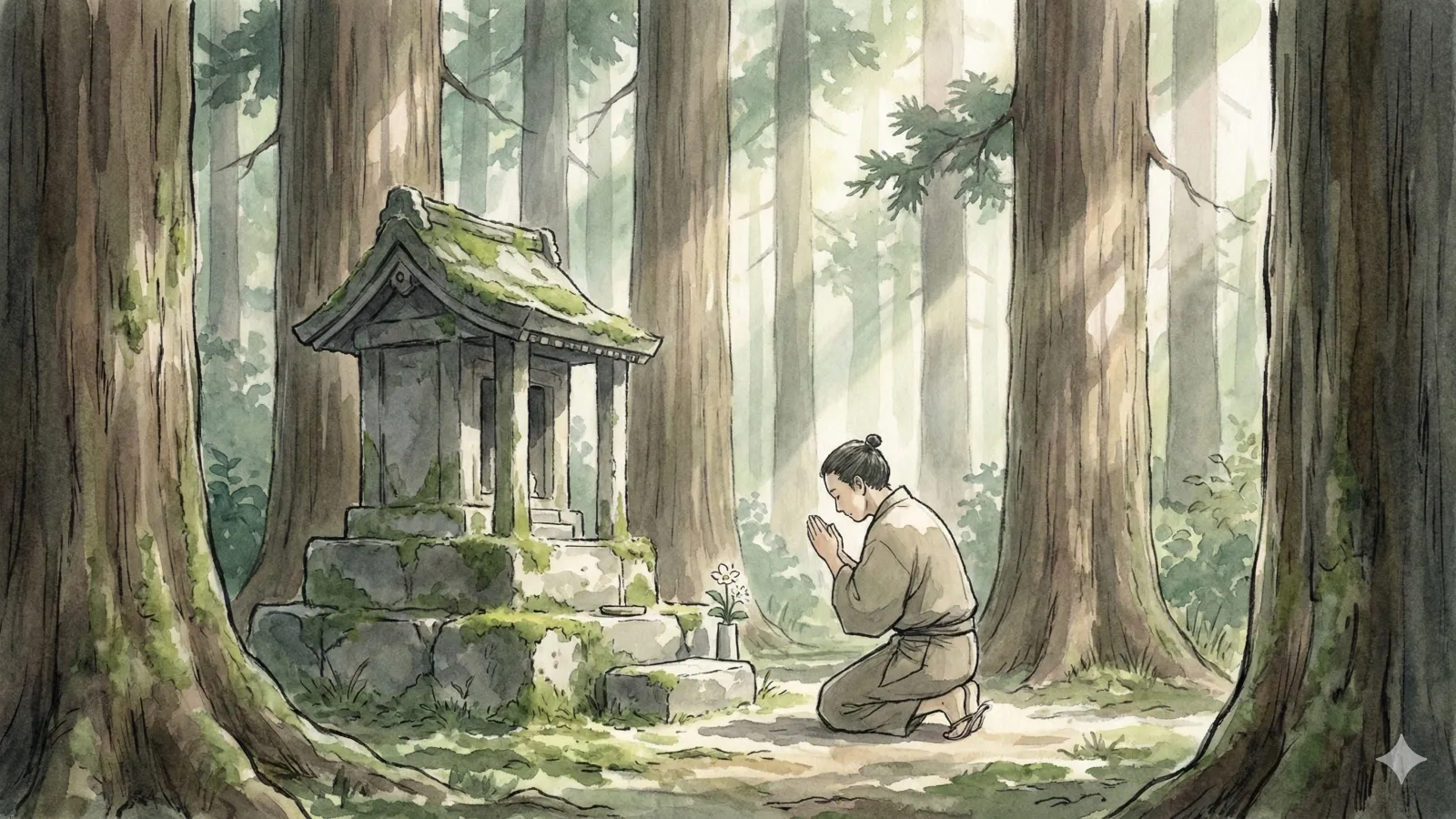
Wealth as a Means, Life as a Prayer - Words Questioning the Dignity of the Soul
In chasing visible richness, we sometimes lose sight of ourselves. However, the true value of life lies not in wealth itself, but in the dignity with which we handle it and the prayer embedded in our daily activities. Using the words of Nitobe Inazo and others as a lamp, we quietly reconsider the state of the spirit that exists behind material prosperity.
Essays · 12/4/2025
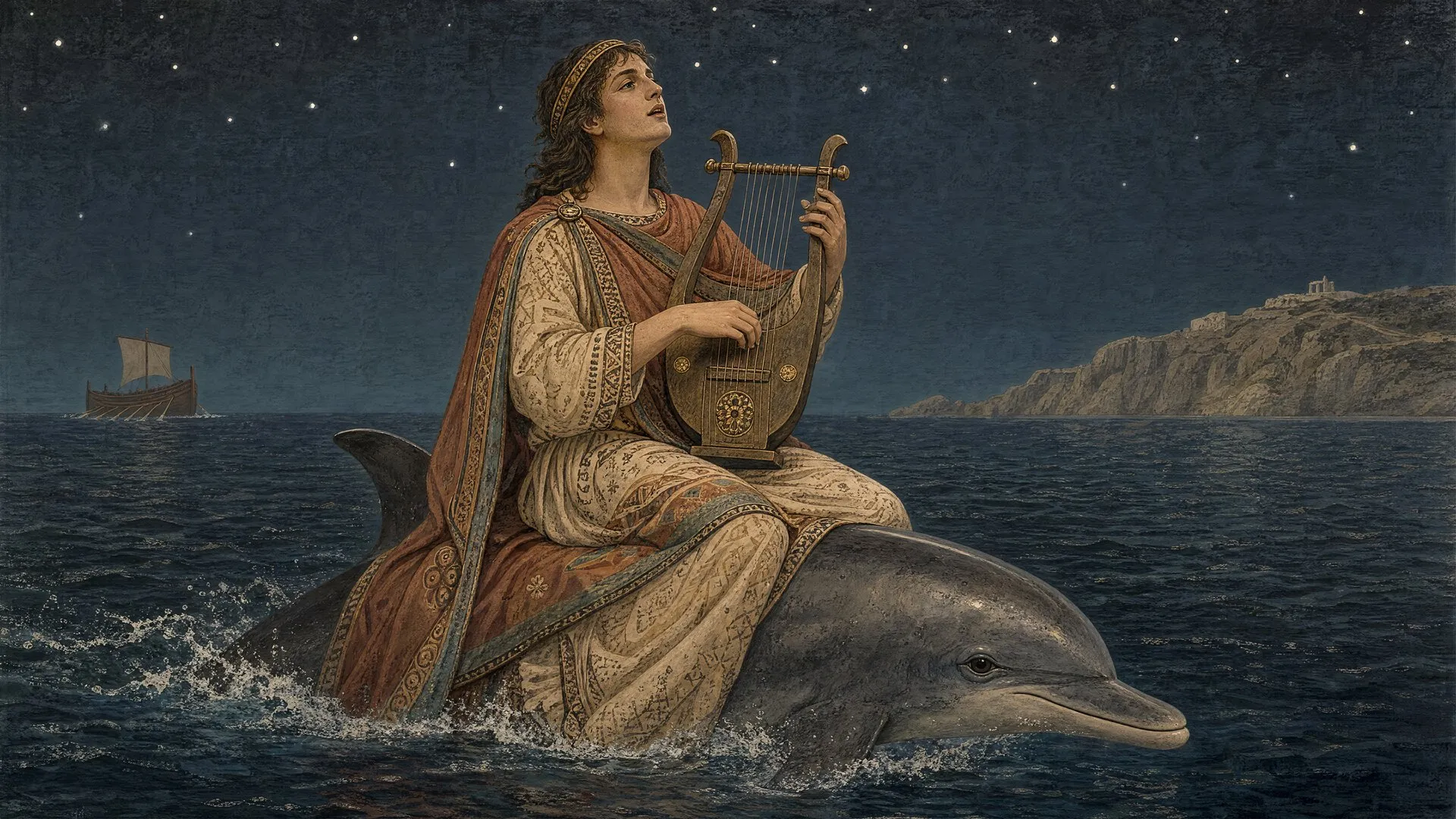
Arion, the Musician Whose Final Song Summoned a Dolphin
Sailors tried to rob Arion, so he sang one final song and leapt into the sea. A dolphin drawn by his music carried him to shore. Read the legend as told by Herodotus and Ovid.
Essays · 12/3/2025
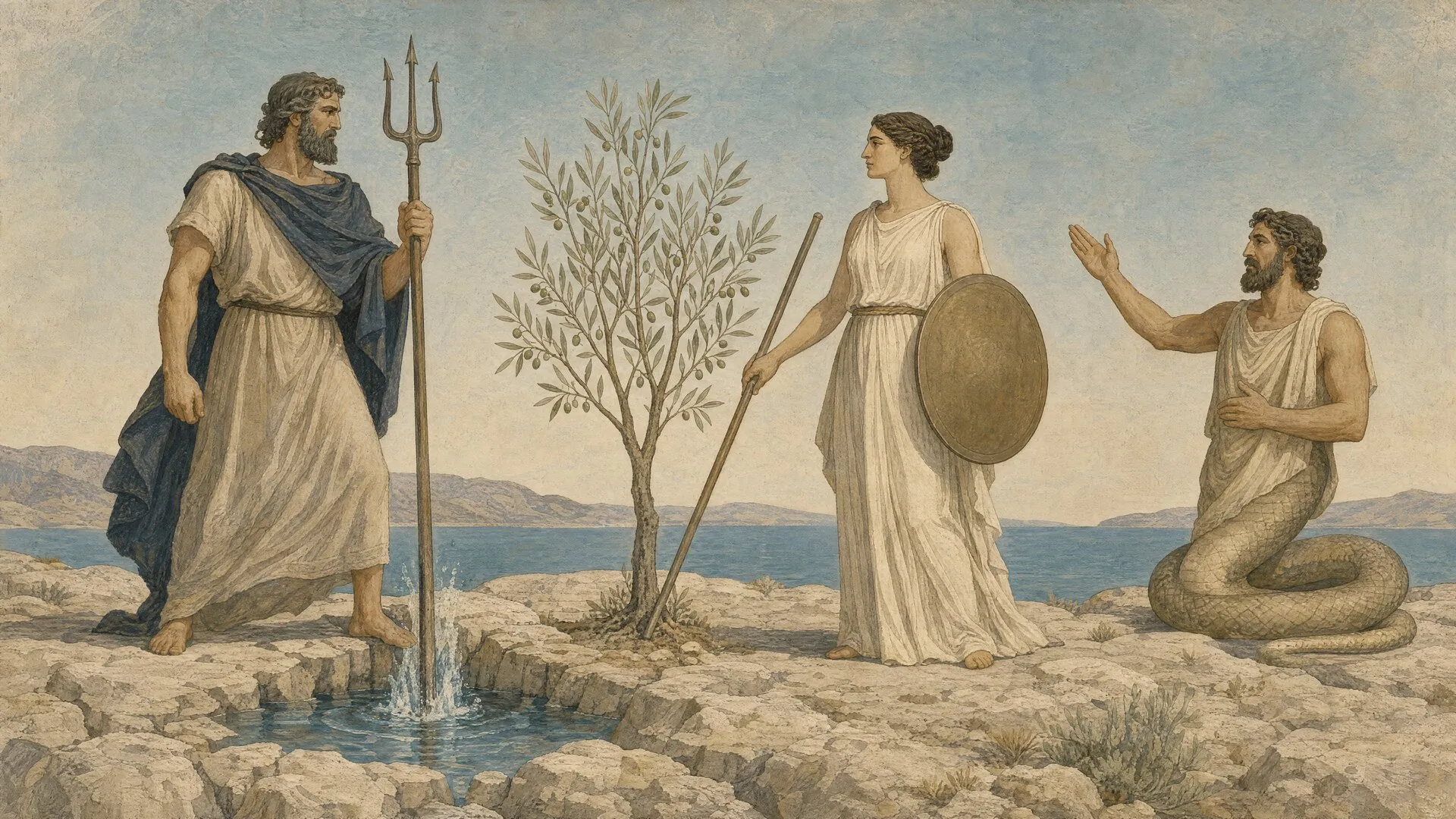
Athena and Poseidon: The Two Gifts That Decided Athens
Poseidon offered a spring; Athena offered an olive tree. The gods chose Athena's gift, and the city took her name. Ancient sources also preserve a version in which women cast the deciding vote.
Essays · 12/3/2025
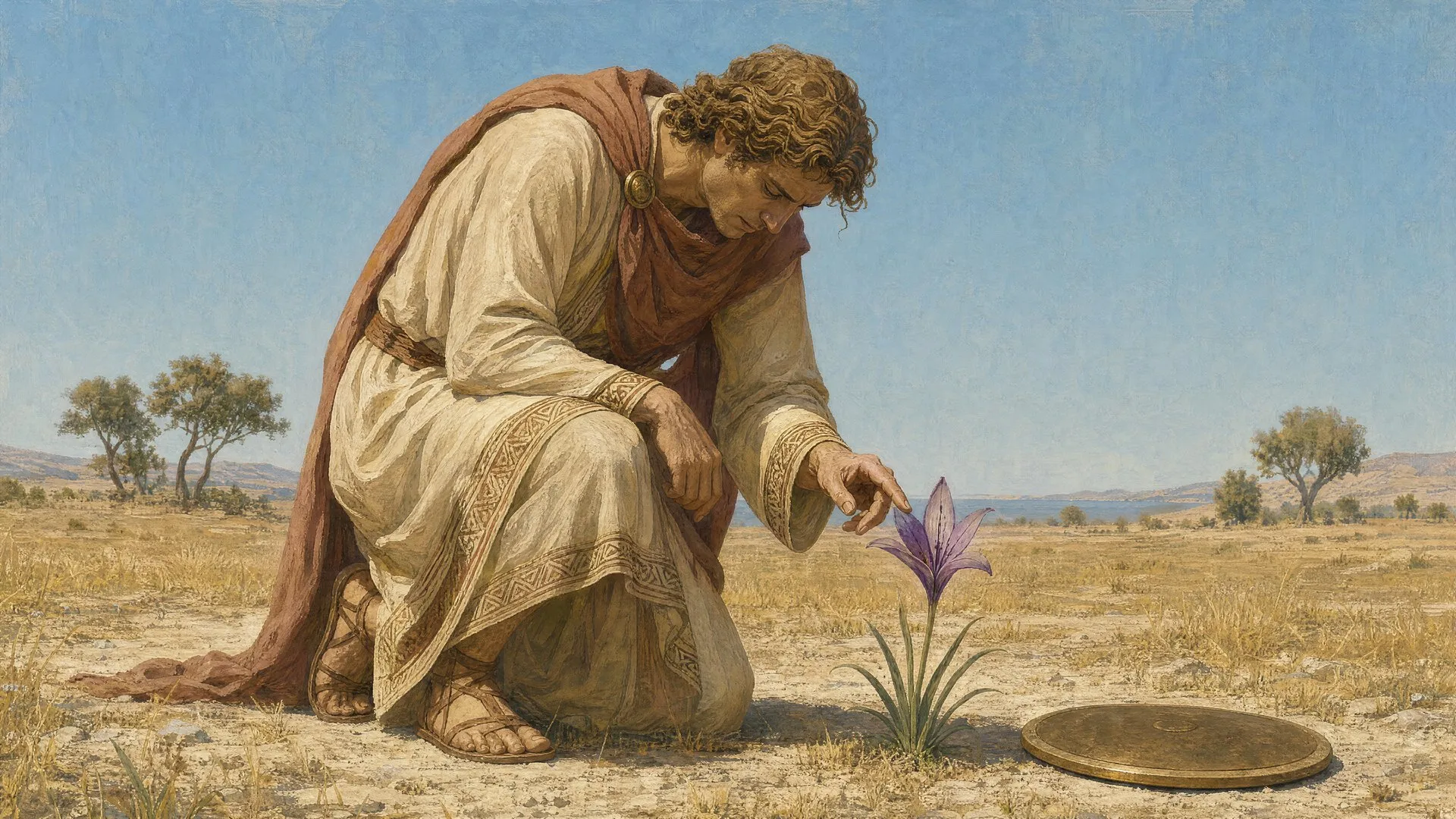
Apollo and Hyacinthus: A Youth's Death and a Flower of Grief
Hyacinthus died during a discus game with Apollo, and a flower rose from his blood. Explore the cry of grief inscribed on its petals and the variant in which a jealous wind god caused his death.
Essays · 12/3/2025
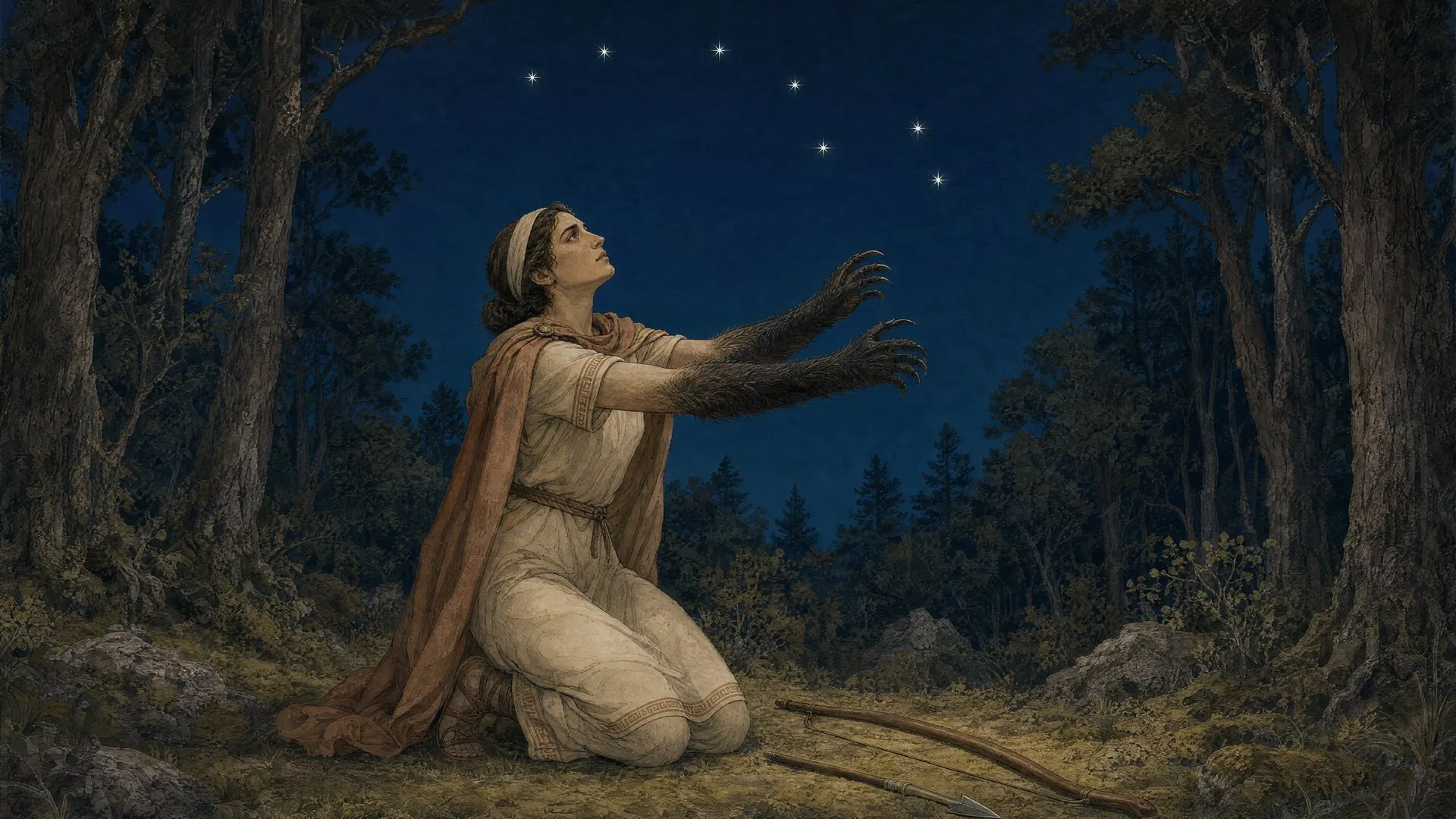
Why Did Callisto Become Ursa Major?
Callisto, a companion of Artemis, was deceived by Zeus and transformed into a bear. When her grown son nearly killed her, Zeus placed her among the stars. Trace the tragedy behind Ursa Major.
Quote Collections · 11/28/2025
The Depths of Stillness: Literary Quotes on Life and Death
How do we approach the vast yet fundamental questions of life and death? Quotations from Kenji Miyazawa, Kamo no Chomei's Hojoki, Tamiki Hara's Summer Flowers, and Kiyoshi Miki guide our exploration of fear of death, impermanence, attachment to life, and acceptance.
Essays · 11/26/2025
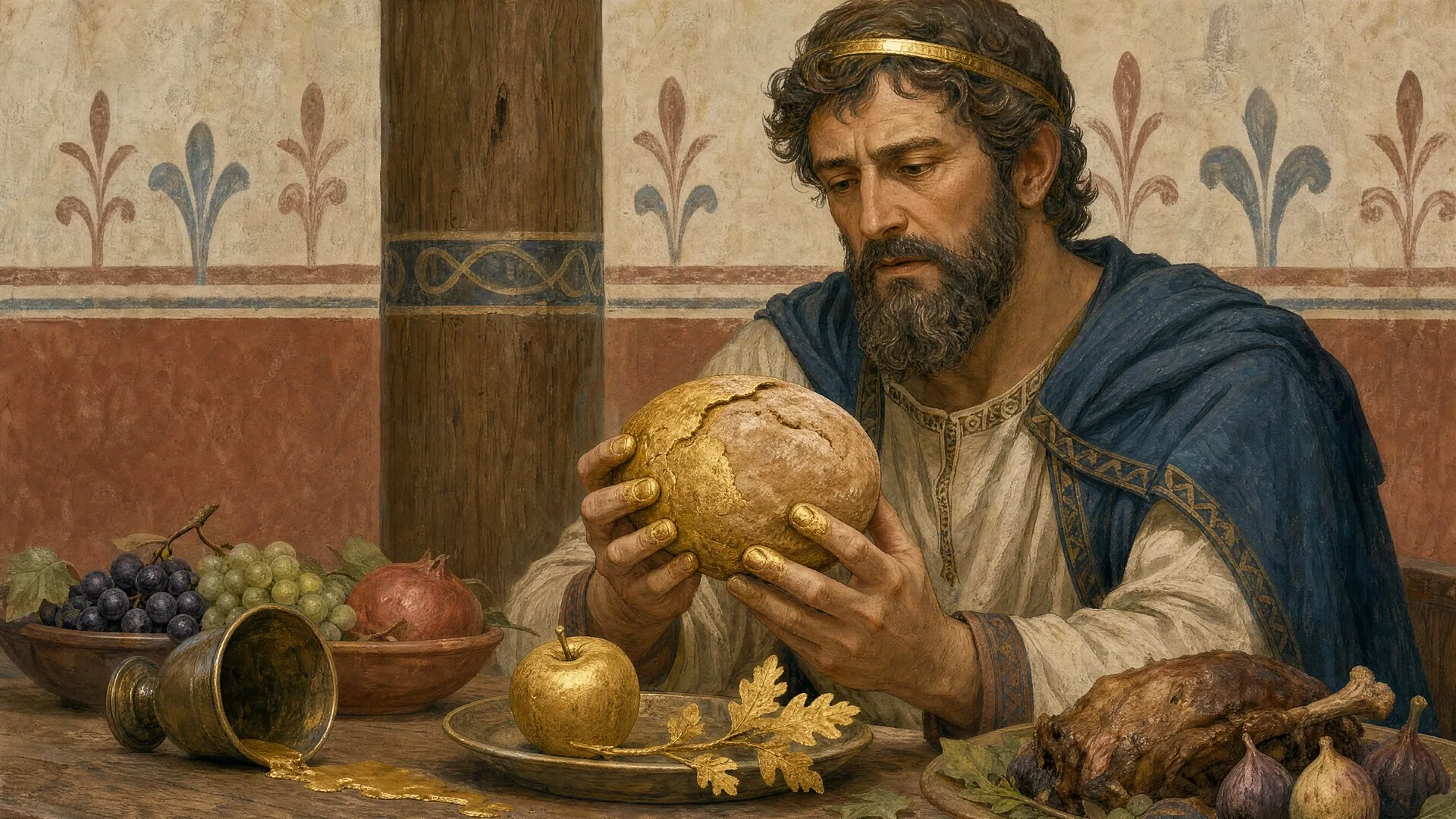
King Midas and the Terror of the Golden Touch
King Midas gained the power to turn anything he touched into gold—and could no longer eat. Explore the Golden Touch and his donkey ears through Ovid and other ancient sources.
Essays · 11/26/2025
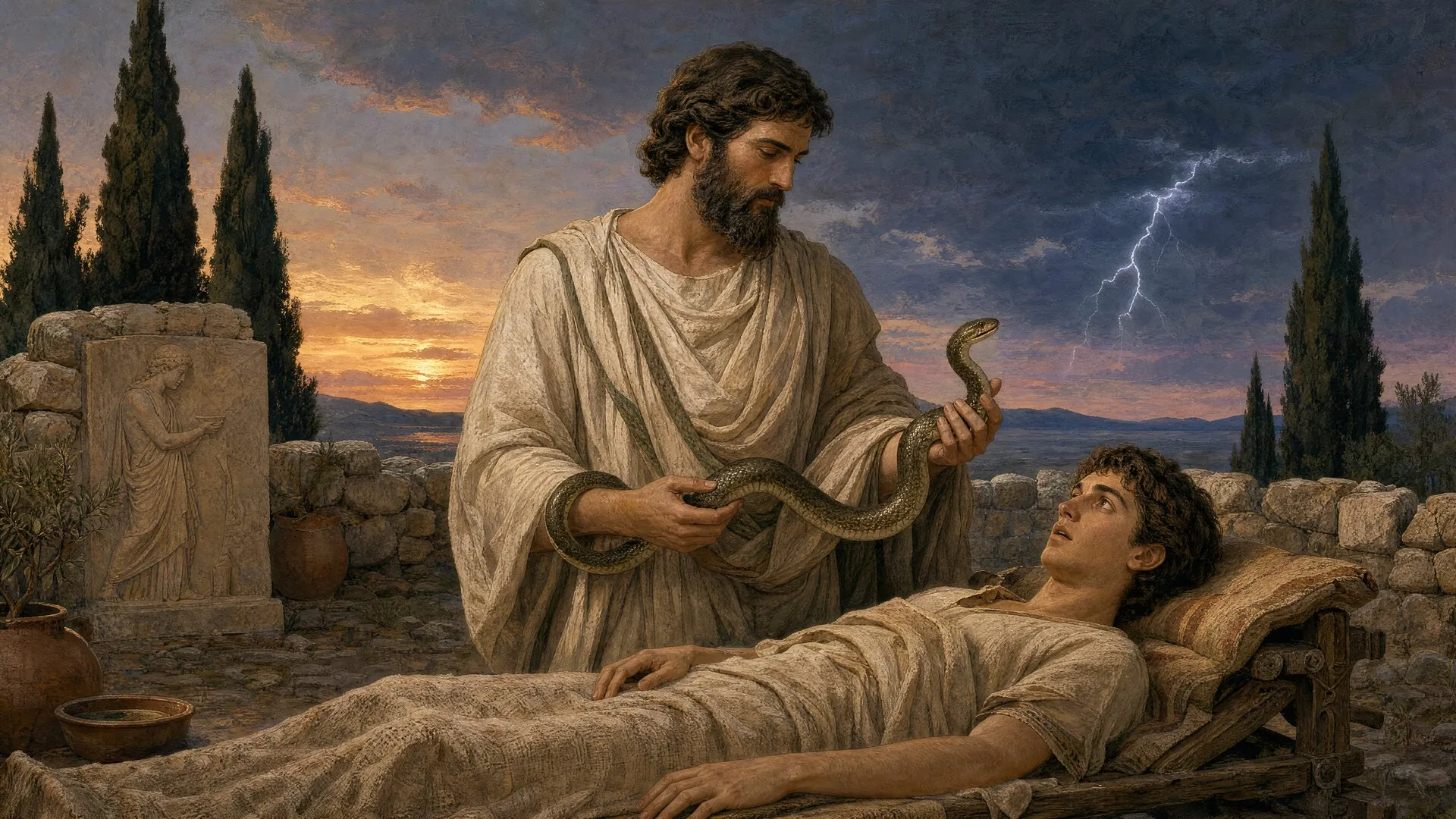
Why Was Asclepius Punished for Raising the Dead?
Asclepius was the Greek god of medicine who could raise the dead. Zeus struck him down for upsetting the order of life and death. Trace his birth, training under Chiron, and fate in ancient sources.
Quote Collections · 11/21/2025
Deception Named Justice - Ethical Contradictions Exposed by Modern Literature
When legal judgment fails to bring true salvation and conflicts with humanitarian forgiveness, justice bears deep contradictions. The cause of "for the sake of the nation" became a shield for violence that stole workers' lives and residents' lands, distorting the logic of law. Modern literary giants sharply question the boundaries of our own ethics within this dichotomy of law and justice.
Quote Collections · 11/14/2025
The Two Faces of Pride: Quotes on a Strength That Refines the Soul and a Poison That Corrodes It
Does pride give us strength, or can it become a poison that destroys us? Through Atsushi Nakajima's The Moon Over the Mountain and Inazo Nitobe's A Record of Self-Vigilance, we explore both the pride that sustains us and the dangers of excessive self-regard.
Quote Collections · 11/14/2025
Thoughts on Walking the Land - The Eternity and Breath of Landscapes Captured by Yakumo, Usui, and Doppo
The sound of footsteps on a frozen night road, a forest drowsing as it melts into the light. Through the walker's five senses, the unique "fudo"—the spirit and climate of a place—becomes vivid poetry. Explore the ethereal scenes of Yakumo, the depth of humanity sought by Usui, and the eternal silence Doppo found in Musashino. Step away from the everyday and listen for the "eternal breath" that lies hidden deep within the landscape.
Quote Collections · 11/14/2025
Between City and Countryside: Quotes on Inner Landscapes in Modern Literature
Through the words of Kafu Nagai, Riichi Yokomitsu, Natsume Soseki, and others, we explore the clamor of the city, nostalgia for the countryside, and the inner lives that modern literature reveals between the two.
Essays · 11/12/2025
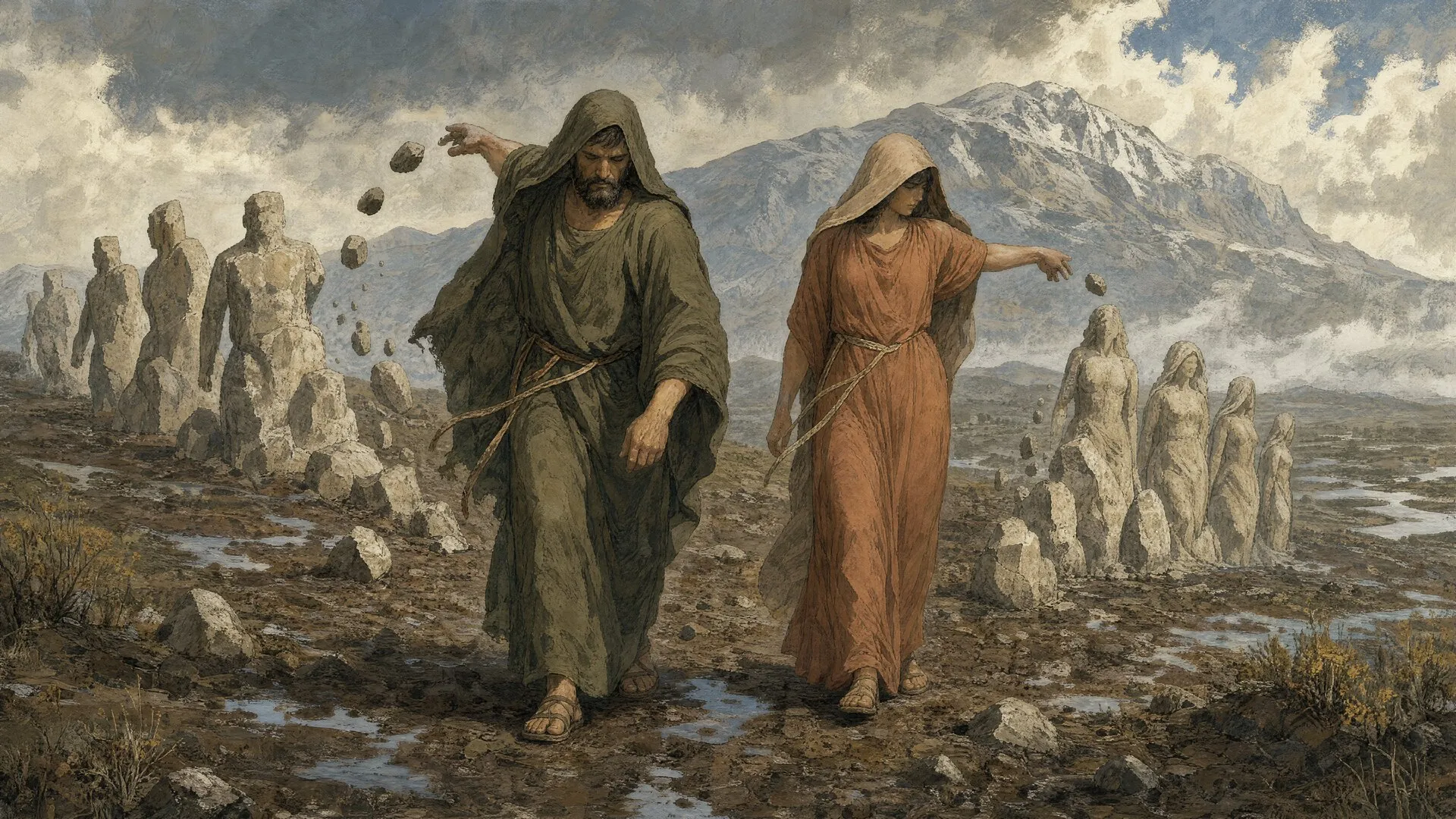
Deucalion's Flood and the Humans Born from Stone
Deucalion and Pyrrha survived Zeus's flood and followed an oracle to cast the 'bones of their mother'—stones of the earth—behind them. From those stones came a new human race.
Essays · 11/11/2025
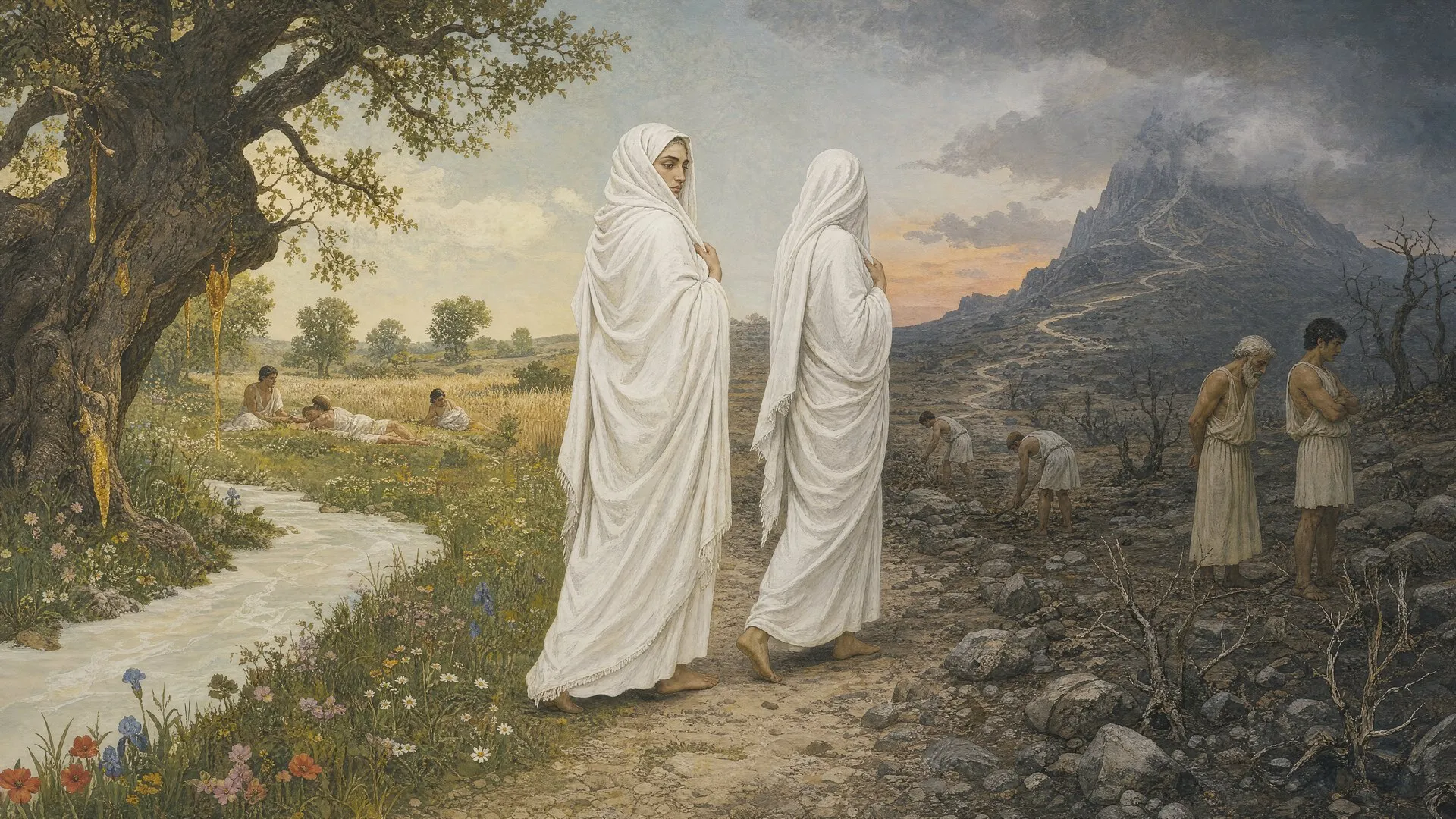
From the Golden Age to the Iron Age: Hesiod's Decline of Humanity
Hesiod divided human history into five ages: Golden, Silver, Bronze, Heroic, and Iron. Why did humanity decline, and how did he view his own age? Read the myth through Works and Days.
Quote Collections · 11/7/2025
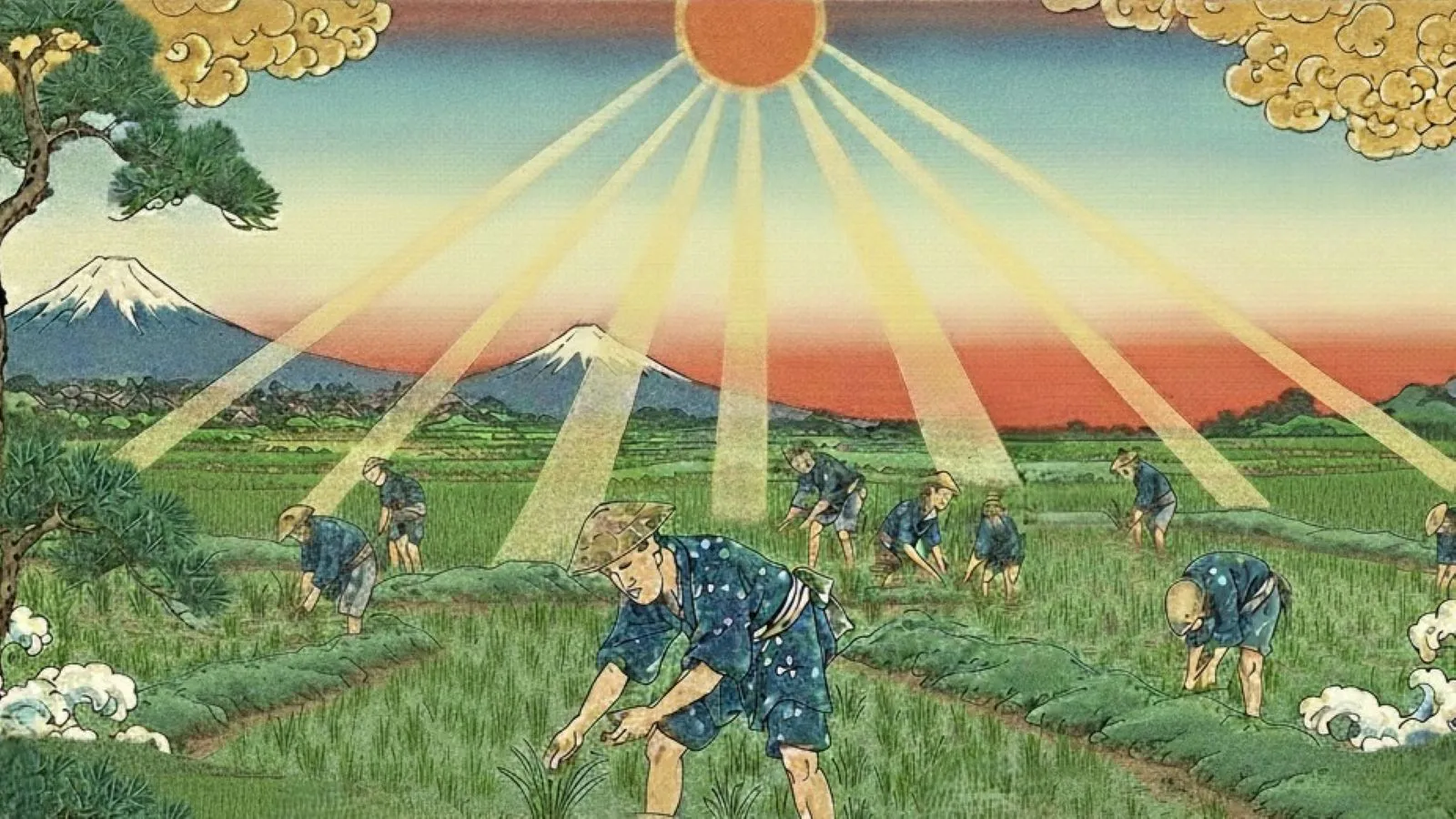
The Ideals and Realities of Work - The Philosophies of Rohan and Yukichi versus the Cynicism of Saikaku
Rohan preaches that happiness is something you plant yourself, while Yukichi inspires us to become great merchants. Their words present the noble ideal that diligent sweat carves out a brilliant future. Saikaku, however, depicted a colder reality, where one's livelihood is a "trade of lies" and the money one seeks can become an "enemy." Effort as an ideal, and desire as a reality—let's explore the sharp perspectives of these three figures on the single theme of work.
Essays · 11/6/2025
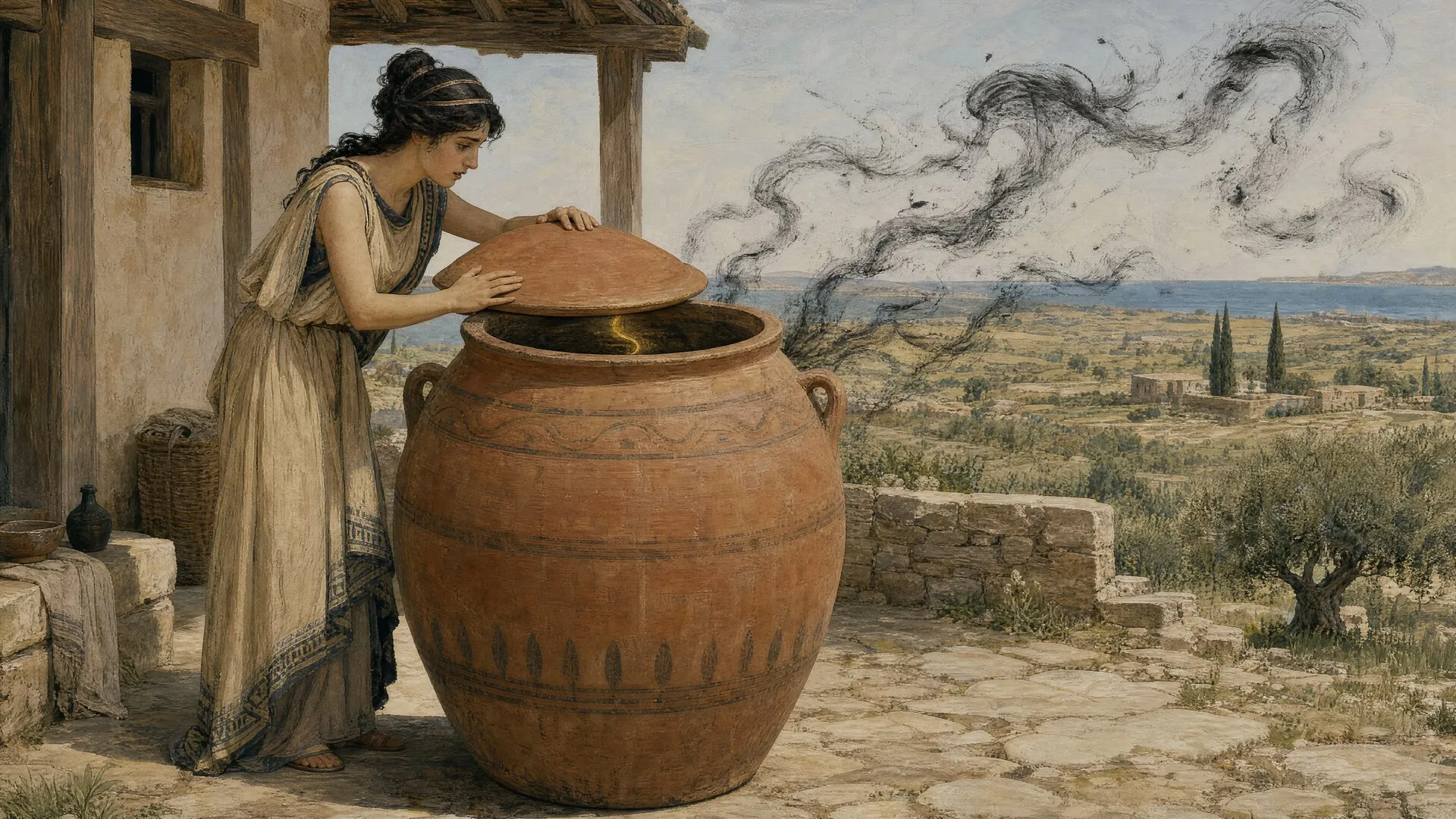
Why Was Hope Left in Pandora's Box?
Pandora's “box” was really a jar. When its evils escaped, only hope—elpis in Greek—remained. What did that ending mean? This article examines Hesiod's text and the ambiguity of hope.
Essays · 11/5/2025
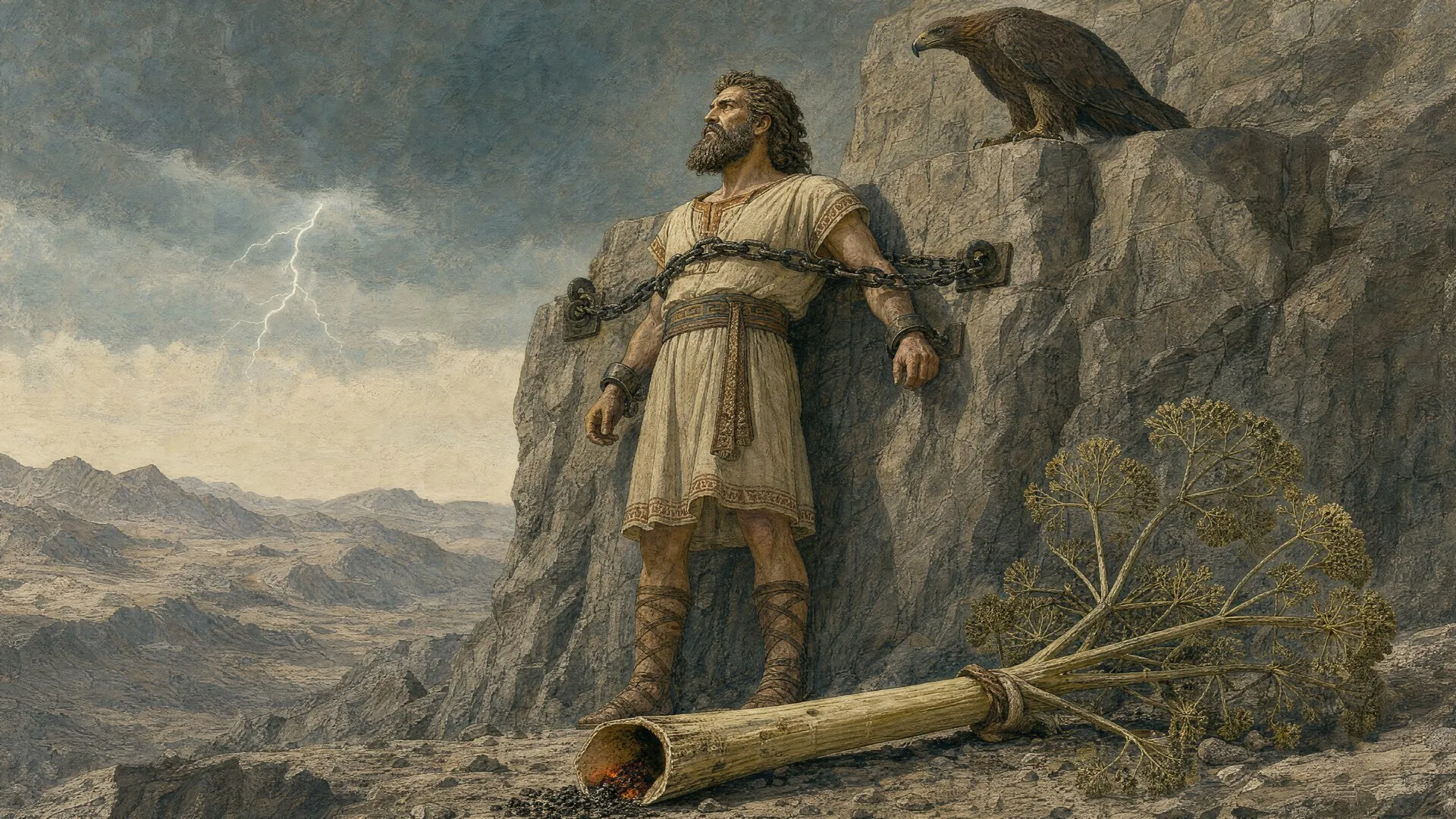
Why Did Prometheus Give Fire to Humanity—and Suffer Forever?
Prometheus defied Zeus and brought humanity fire and technology. For it, he was chained to a mountain while an eagle devoured his liver. Follow the myth from the theft of fire to his release in ancient sources.
Essays · 11/5/2025
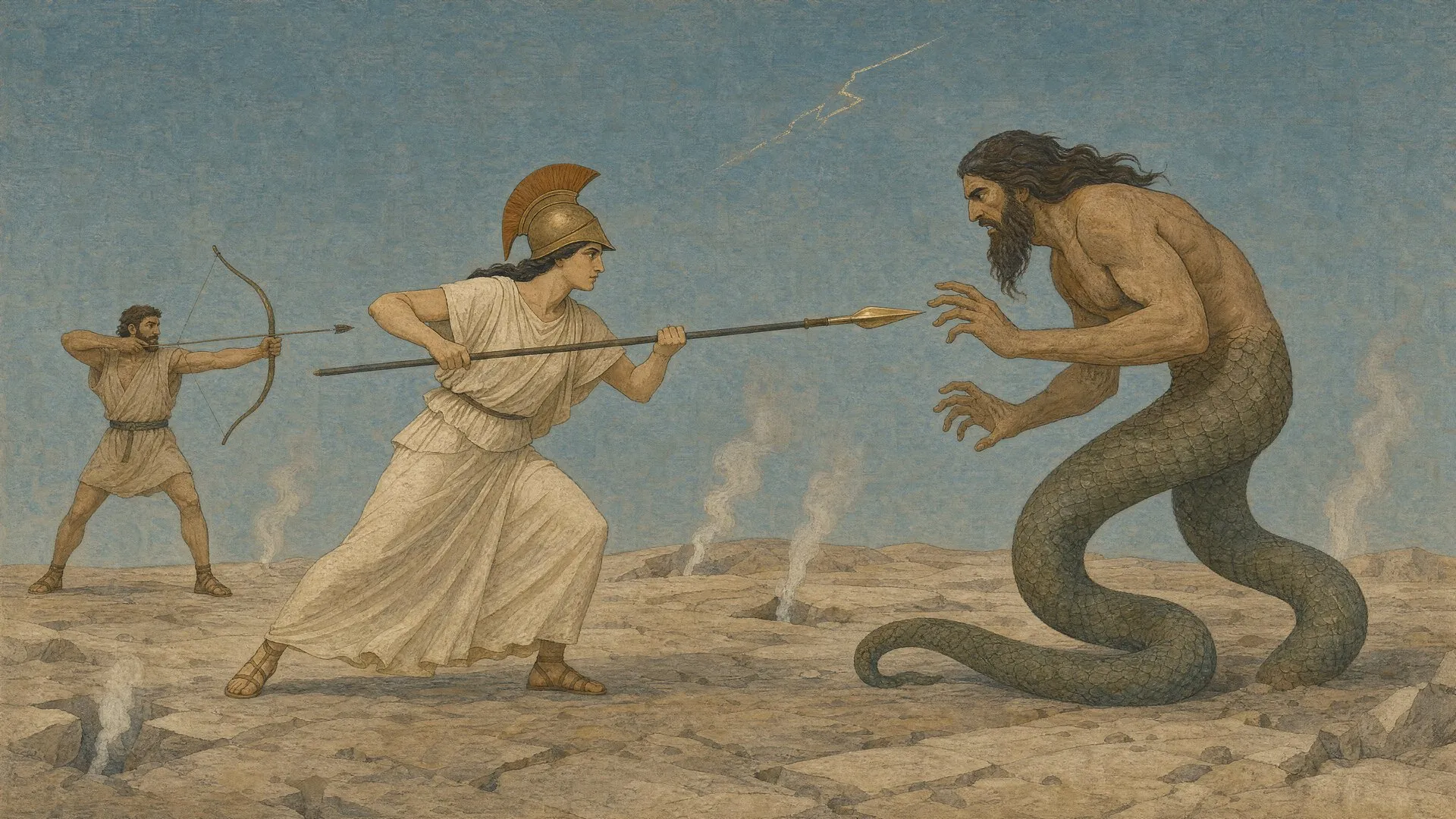
The Gigantomachy: The War the Gods Could Not Win Alone
The Gigantomachy was the war between the Olympian gods and the Giants. A prophecy said the gods could not win alone, so Heracles joined the battle. Trace the Giants' birth and defeat in ancient sources.
Essays · 11/5/2025
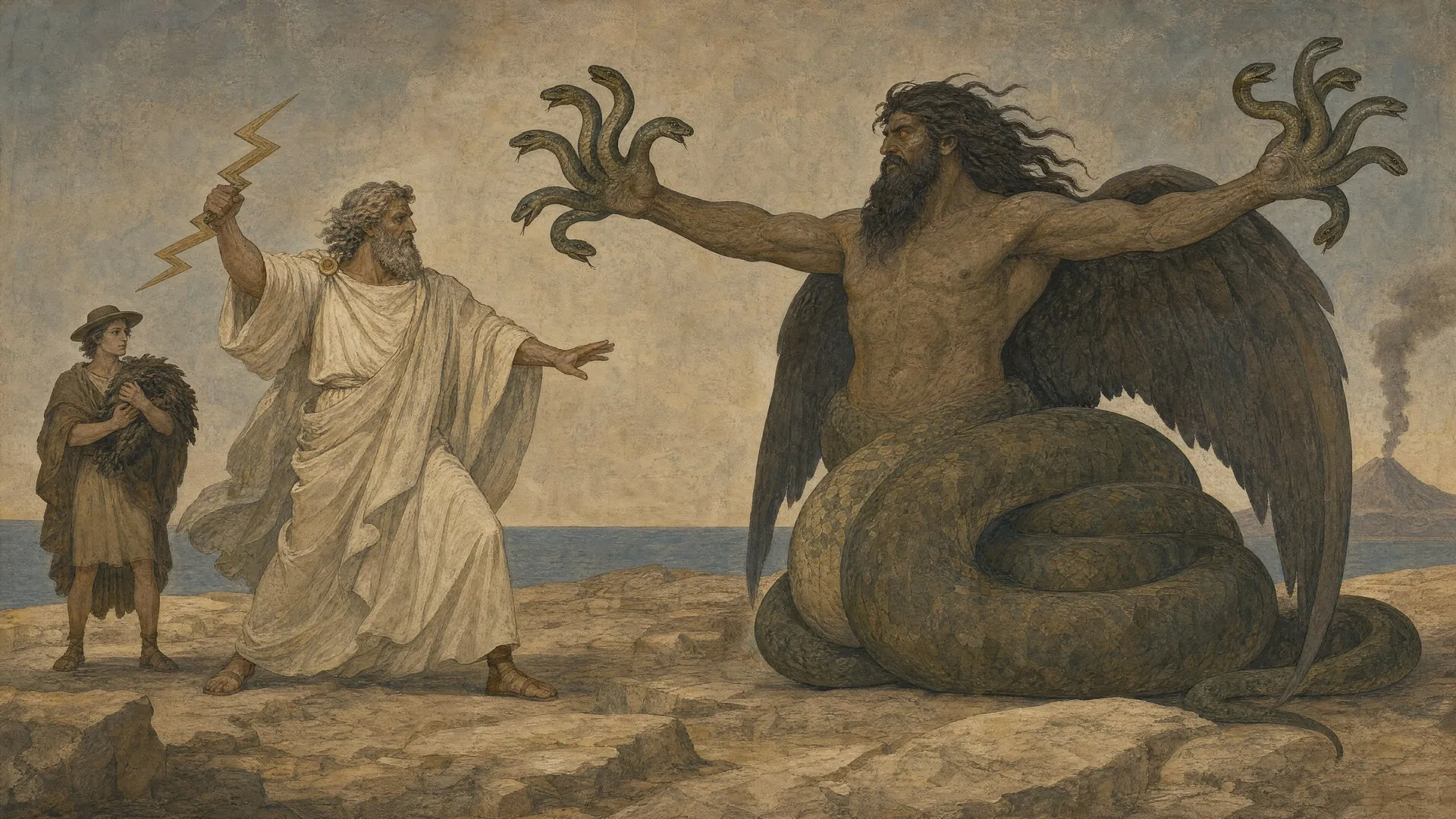
How Did Typhon Defeat Zeus—and Still Lose?
Typhon, Greek mythology's greatest monster, once defeated Zeus by tearing out his sinews. Follow the revolt that sent the gods fleeing and ended with Typhon buried beneath Mount Etna.
Essays · 11/4/2025
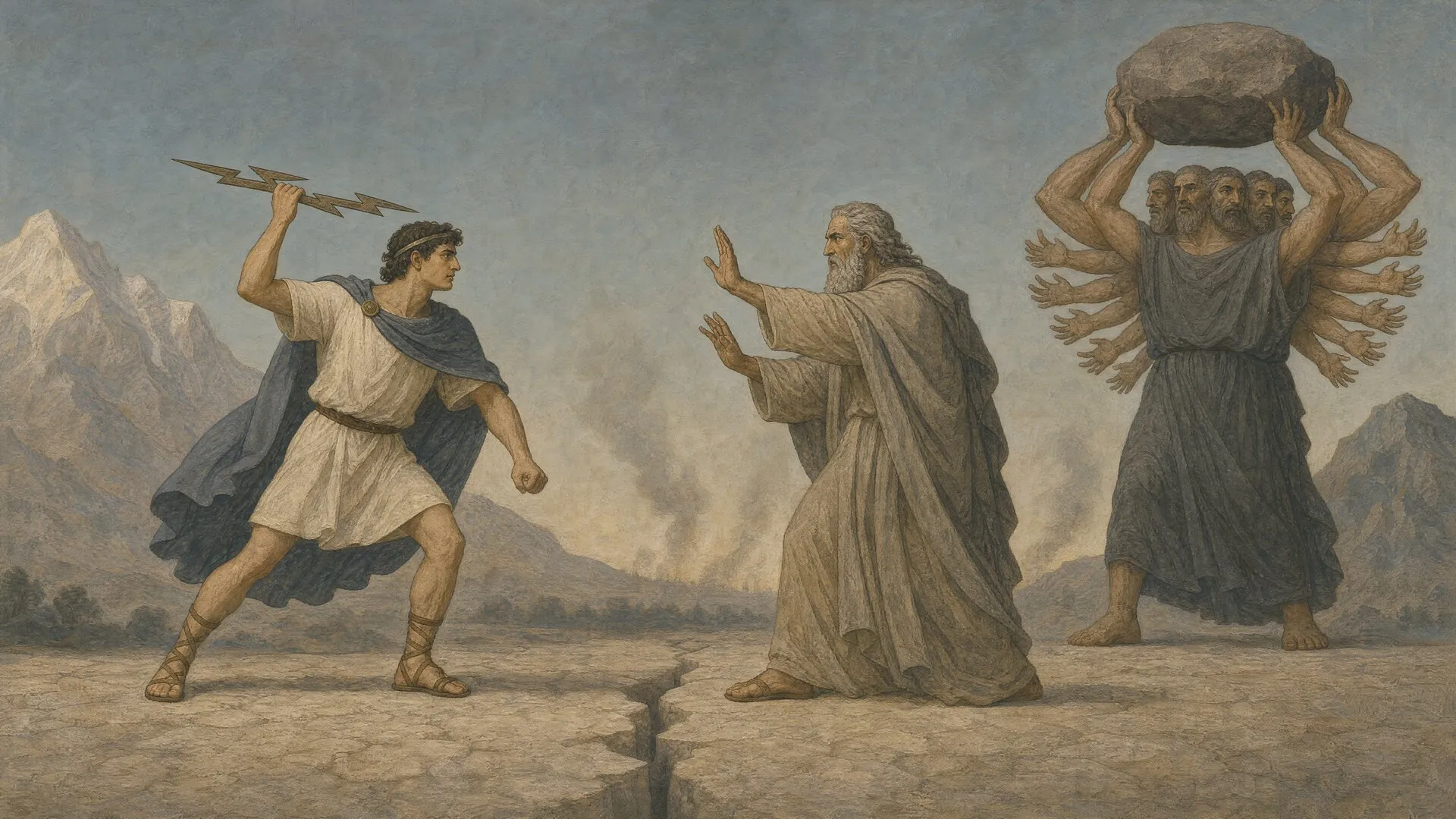
The Titanomachy: How Zeus Defeated His Father Cronus
The Titanomachy was a ten-year war between Zeus and his father Cronus for control of the cosmos. See how Zeus gained the thunderbolt, defeated the Titans, and established a new divine order.
Quote Collections · 10/31/2025
Transcending Distance and Time - The Bonds of Family Woven by Literary Giants
Physical distance may actually shorten the emotional distance within a family. This collection explores the love of a father sending his child off on a journey, as depicted by Shimazaki Toson, and the heart of a mother praying for her child's safety from afar. It touches upon the miracle of 'reunion' captured by Mori Ogai, and the endless longing for 'home' portrayed by Hayashi Fumiko. Delve into the poignant yet warm core of parent-child affection, strengthened precisely because of separation, as inscribed in the masterpieces of modern Japanese literature.
Quote Collections · 10/31/2025
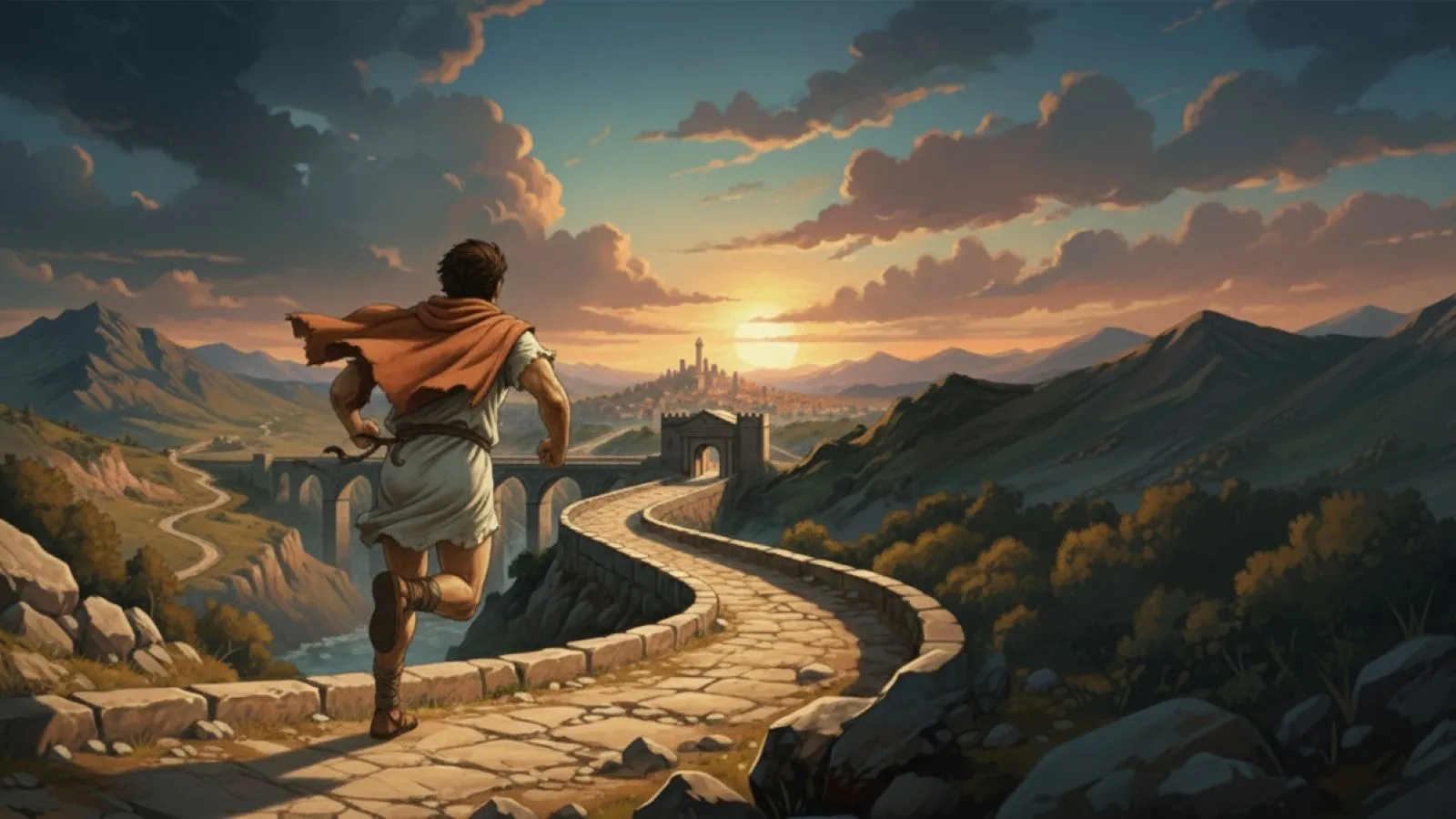
Friendship That Bridges Solitude: Quotes from Dazai, Miyazawa, and Other Japanese Writers
What is friendship, and how should we treat our friends? With Osamu Dazai's Run, Melos! at its heart, this collection explores trust, loneliness, and care for others through Kenji Miyazawa's Night on the Galactic Railroad and the words of Ango Sakaguchi, Ryunosuke Akutagawa, and Yuriko Miyamoto.
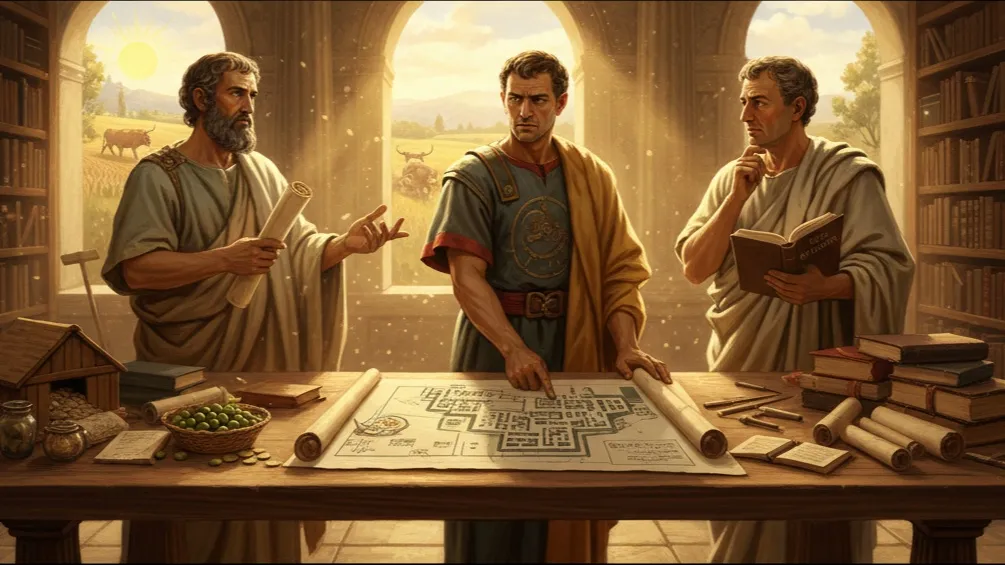
Quote Collections · 10/31/2025
Ancient Wisdom on Work and Preparation - Lessons from Hesiod, Xenophon, and Cicero
From the Greek poet Hesiod to the Roman philosopher Cicero, ancient sages taught the importance of work and preparation. This article explores their wisdom on overcoming procrastination and enriching life through diligence and order.
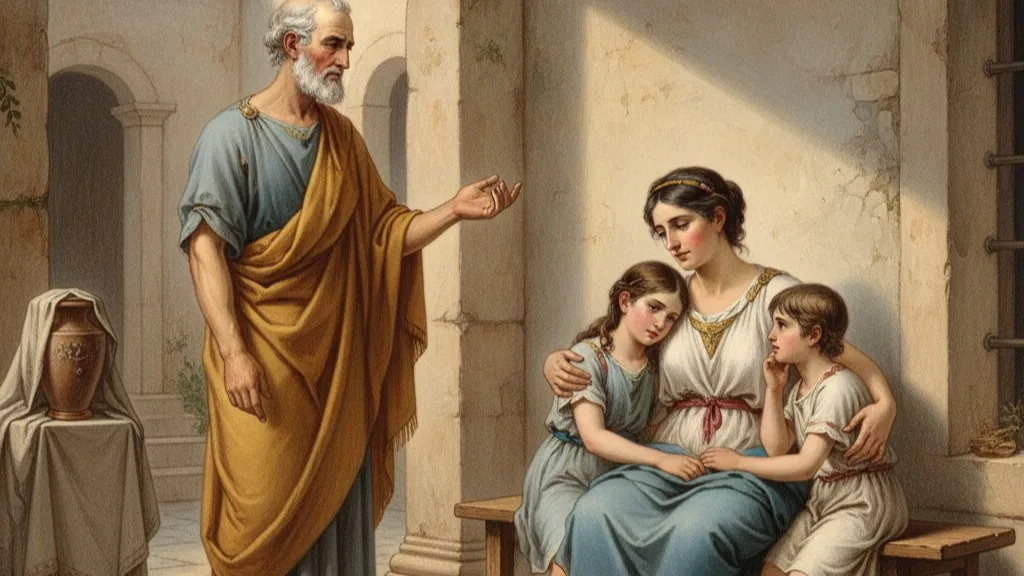
Quote Collections · 10/31/2025
The Ancient Philosophy of Loss and Affection - Seneca and Plutarch on Parental Fortitude and Unconditional Love
The Stoic Seneca teaches the stern acceptance of losing a child, while Plutarch argues that the purpose of raising children is affection. This article explores the universal wisdom left by ancient sages on parental love and the tragedies of life.
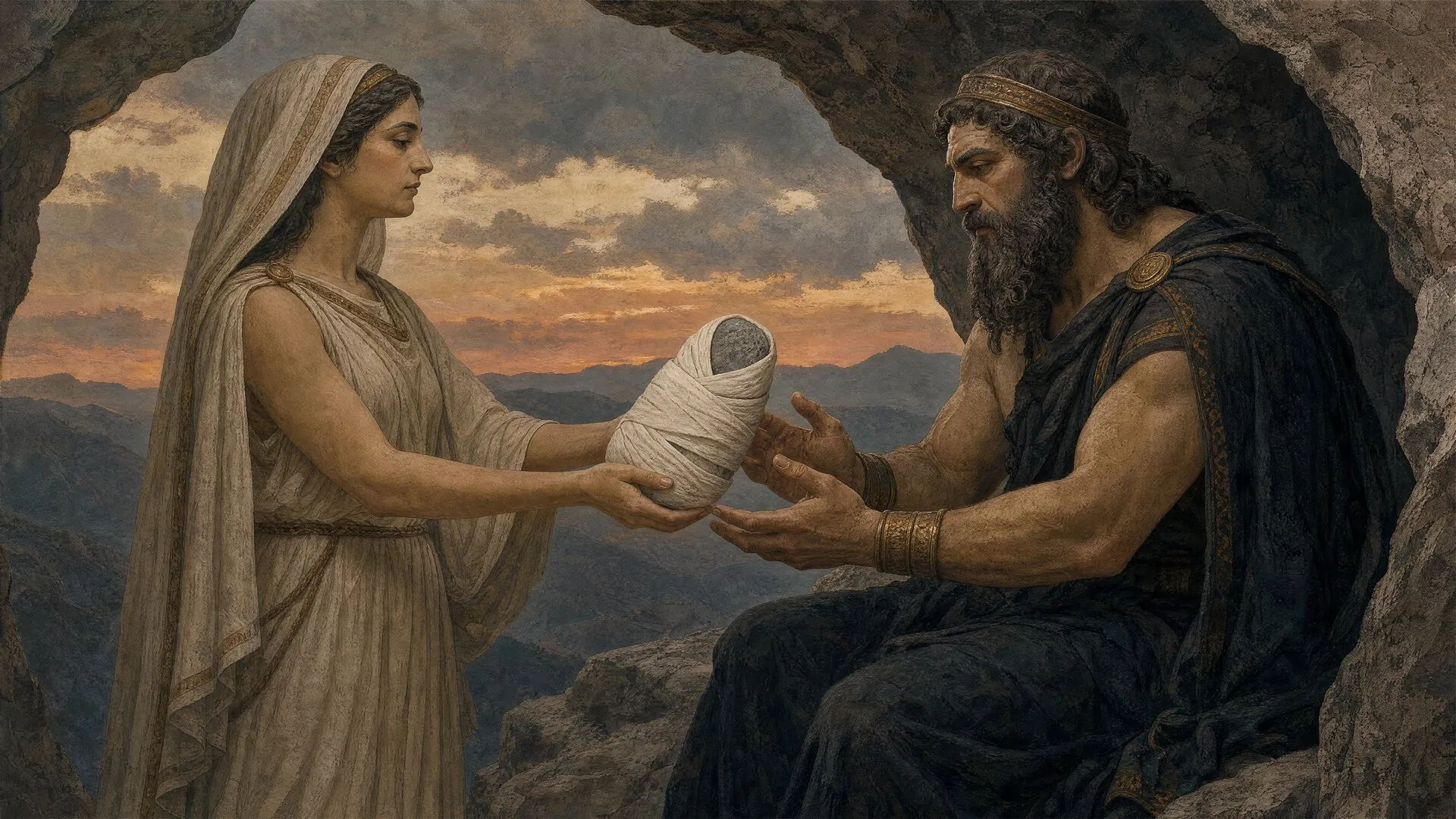
Essays · 10/29/2025
How Rhea Saved Zeus from Cronus, Who Swallowed His Children
Fearing a prophecy, Cronus swallowed each of his newborn children. Rhea hid Zeus and gave her husband a stone wrapped in swaddling clothes instead. Follow the deception that ended a father's rule.

Quote Collections · 10/24/2025
Flames of the Soul, Lamps of Silence - Forms of Love from Literary Giants
When faced with a finite life, what do people seek in love? Do they burn with a passion that courts ruin? Or do they find solace in a quiet empathy that transcends words? The words left behind by Natsume, Yosano, Hori Tatsuo, and others capture the irresistible impulse of "love," which moves people beyond reason and fate.
Quote Collections · 10/24/2025
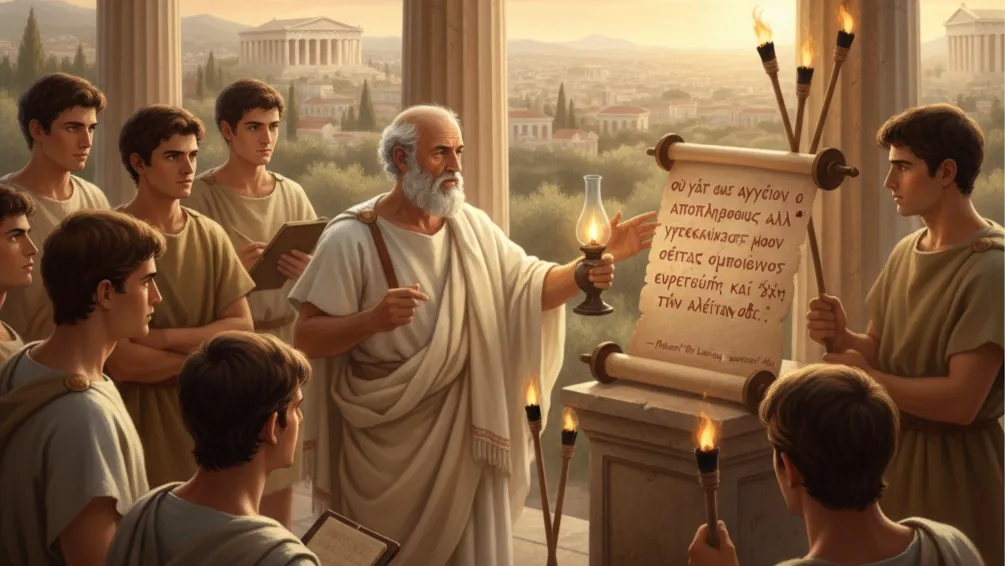
Ancient Wisdom - A Collection of Aphorisms on Learning and Culture
From the Delphic maxims to Plutarch's essence of learning. We explore the core of the culture needed to "live well," as left behind by the sages of ancient Greece and Rome.
Essays · 10/23/2025
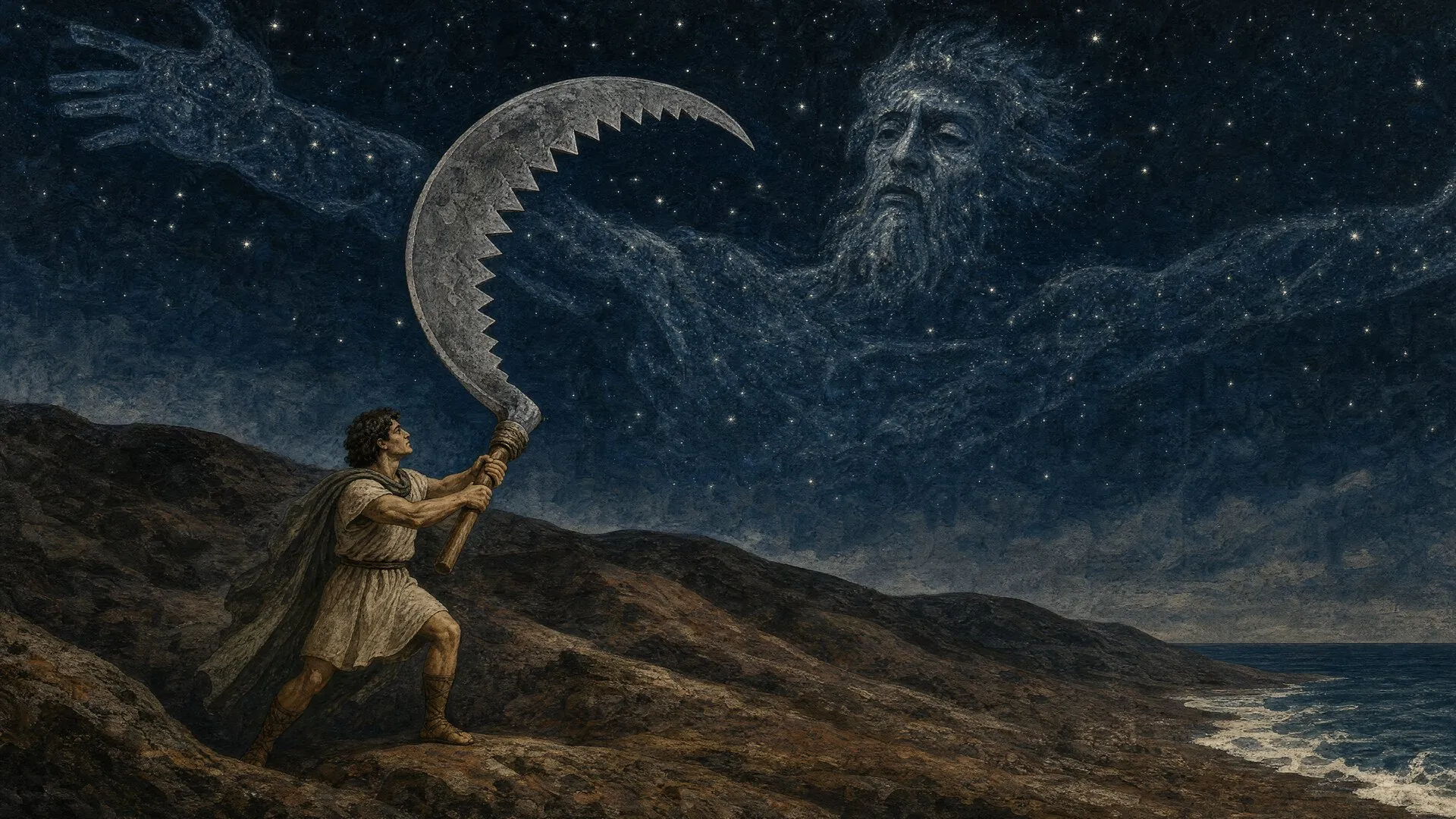
The Castration of Uranus: Cronus and the First Change of Power
Uranus imprisoned his children within Gaia until their son Cronus castrated him, bringing the first transfer of divine power. Hesiod's Theogony also tells how new gods arose from his blood and severed flesh.
Essays · 10/23/2025
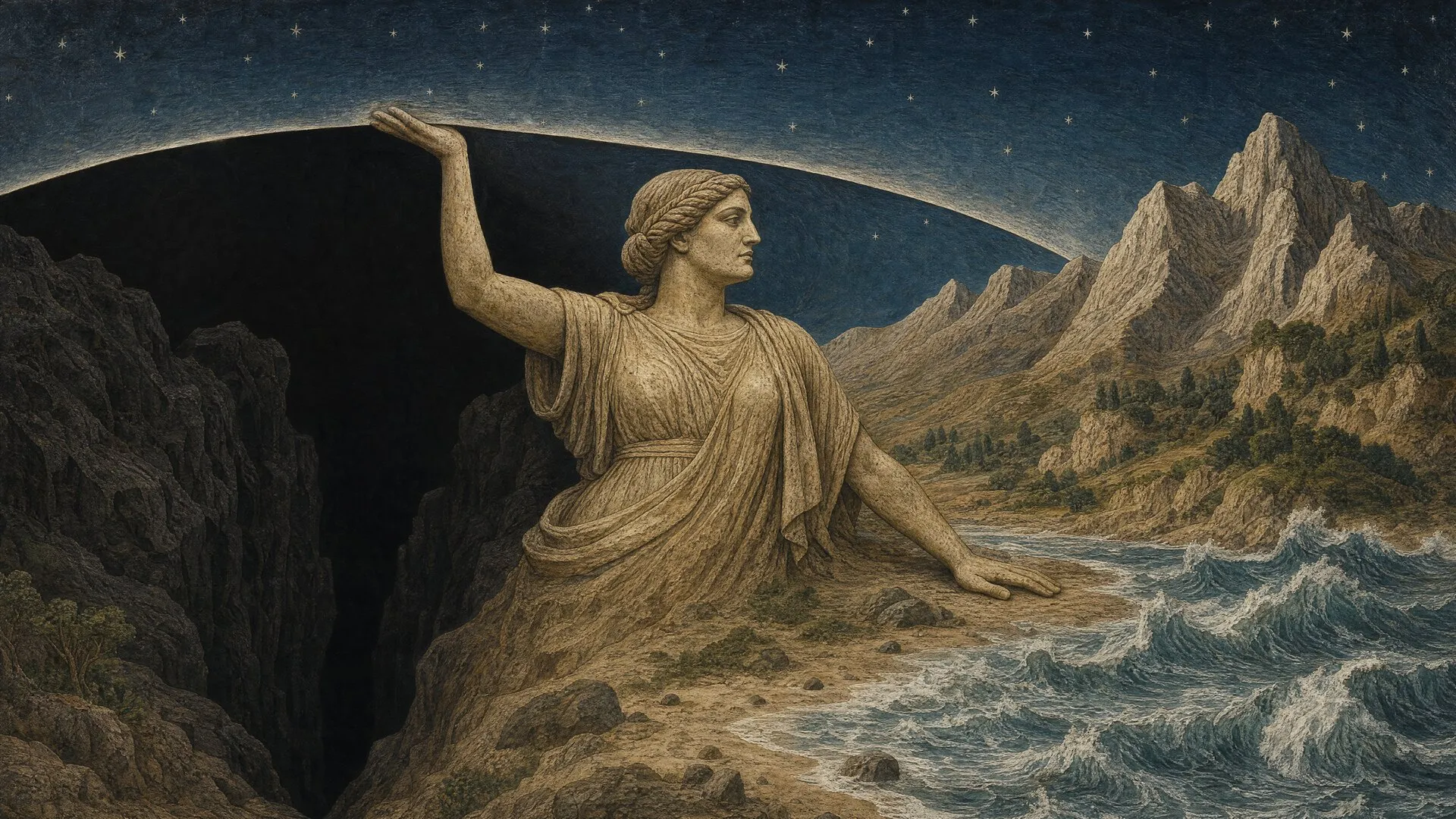
After Chaos Came Gaia—and the Greek Cosmos Began
Greek myth begins with Chaos, a yawning void, followed by Gaia, Tartarus, and Eros. Follow Hesiod's Theogony from the first darkness to the birth of sky, mountains, and sea.
Quote Collections · 10/17/2025
Shadows Cast by Light: Quotes on Solitude and Self-Esteem in Japanese Literature
Have you ever stepped back from happiness because the prospect of having it frightened you? Through Osamu Dazai's No Longer Human, Natsume Soseki's Kokoro, Tatsuo Hori's The Wind Has Risen, and other works, we explore the loneliness of fearing happiness and its ties to self-esteem and proud solitude.
Quote Collections · 10/3/2025
Voices from the Past, Questions for Today: Quotes on True Freedom and Independence
In a world overwhelmed by information and other people's judgments, are we truly living on our own terms? Through Yukichi Fukuzawa's An Encouragement of Learning and the words of Inazo Nitobe, Tetsuro Watsuji, and others, we explore freedom and independence grounded in learning and responsibility rather than others' approval.
Quote Collections · 10/3/2025
Ancient Wisdom on Love and Partnership - How Plutarch and Ovid Taught Us to Build Bonds
How are trust and love nurtured? Ancient Greek and Roman philosophers and poets left behind deep insights into the bonds of marriage and the essence of love. This collection explores the timeless truths of partnership.
Quote Collections · 10/3/2025
What Is True Friendship? Cicero and Aristotle Explained
Can someone you cannot tell the truth to be called a friend? The ancients thought a friend's worth is proven only in adversity. Through Cicero's On Friendship, Aristotle, and Xenophon, this collection examines friendship and trust.
Quote Collections · 10/3/2025
Seneca On Anger: How Rome's Sages Mastered Rage
Seneca called anger a brief madness, and argued that the goal is not to restrain it but to keep it from arising at all. With Plutarch and Aristotle, this collection presents the ancient techniques for keeping a calm soul.
Quote Collections · 10/3/2025
Stoicism Explained: Seneca, Epictetus, and Marcus Aurelius
The Stoics held that we are disturbed not by events but by our judgements about them. Their whole art of living turns on one distinction: what is within our power and what is not. Explained through their own words.
Quote Collections · 10/1/2025
The Eloquence of Silence - The Truth of the Unspoken Illuminated by Hori Tatsuo and Others
When we speak, something is lost; when we are silent, nothing is conveyed. We live our days on this frustrating boundary. Yet, perhaps what is truly important is hidden in the stillness that spreads between words. In this collection, we explore the rich meaning of "the unspoken," guided by the words of Tatsuo Hori, Soseki Natsume, and Tenshin Okakura. Why not listen closely to the voice of silence that lies behind eloquent words?
Essays · 10/1/2025
Otium: Pliny the Younger on Roman Villas and Leisure
Otium was not idleness but the leisure the Romans prized as time for thought and creation. Through Pliny the Younger's letters describing life at his villas, this article explores what that ideal actually meant.
Quote Collections · 9/12/2025
Flow and Aesthetics - Nakahara and Tenshin on Embracing Fleetingness
Life is as unreliable as a draft of wind, yet as beautiful as a rubber balloon. If so, how should we cherish its momentary brilliance? In this article, we will explore the truth of a life made precious by its fleeting nature, guided by the words of Chūya Nakahara, who grasped impermanence through "sensation," and Okakura Tenshin, who elevated it to a "philosophy."
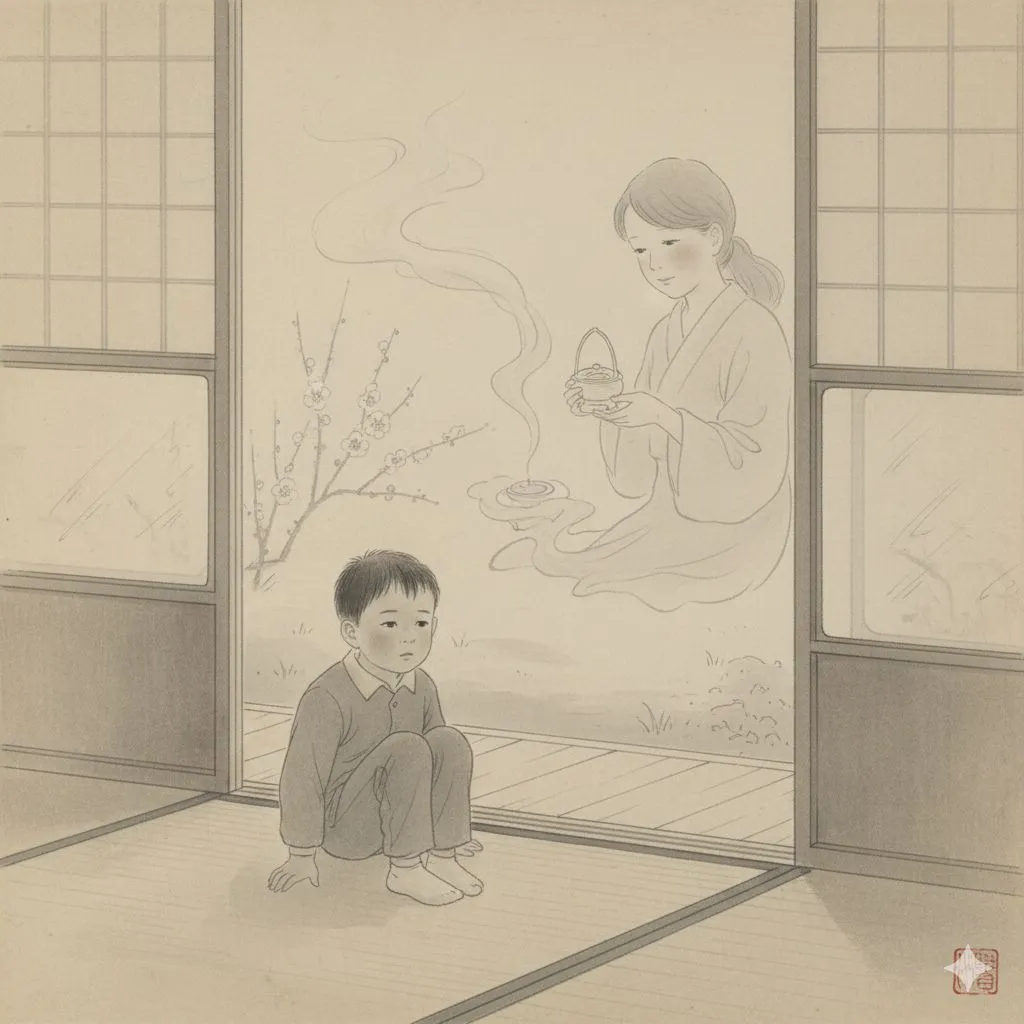
Quote Collections · 9/12/2025
Flow and Resolve - Literary Masters on Confronting Fate
When faced with a fate beyond our control, what should we do? Should we lament and give up? Or should we find the "resolve to live" within that very flow? The words left by Natsume Soseki, Masaoka Shiki, and Tanizaki Junichiro are etched with the strength and dignity of humanity that lies beyond impermanence.
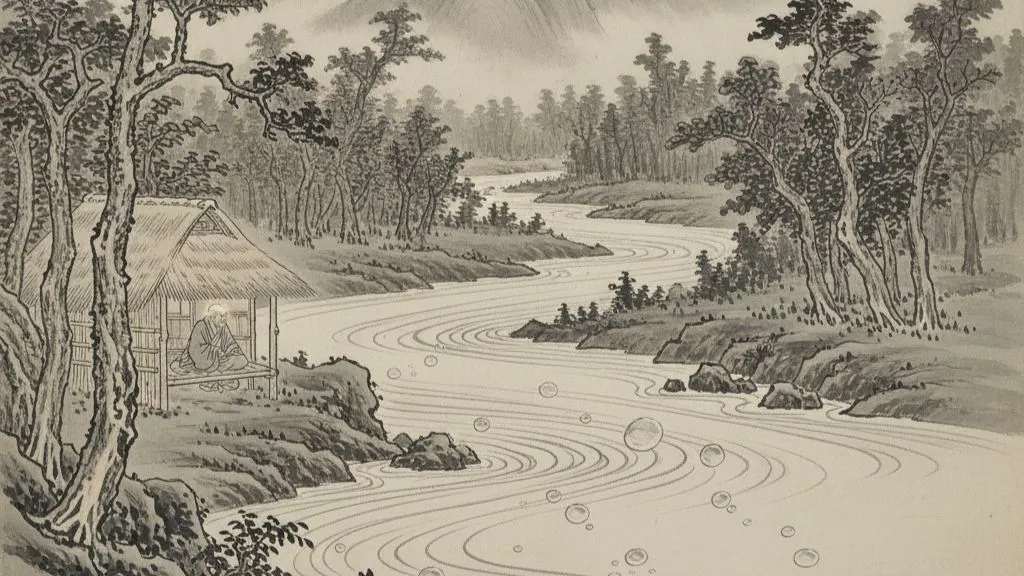
Quote Collections · 9/12/2025
Impermanence and Flow: Kamo no Chomei and Natsume Soseki on the Truths of Life
Through Kamo no Chomei's Hojoki and Natsume Soseki's Kusamakura, we explore impermanence in our homes and hearts, and what it means to accept change as part of life.
Essays · 9/11/2025
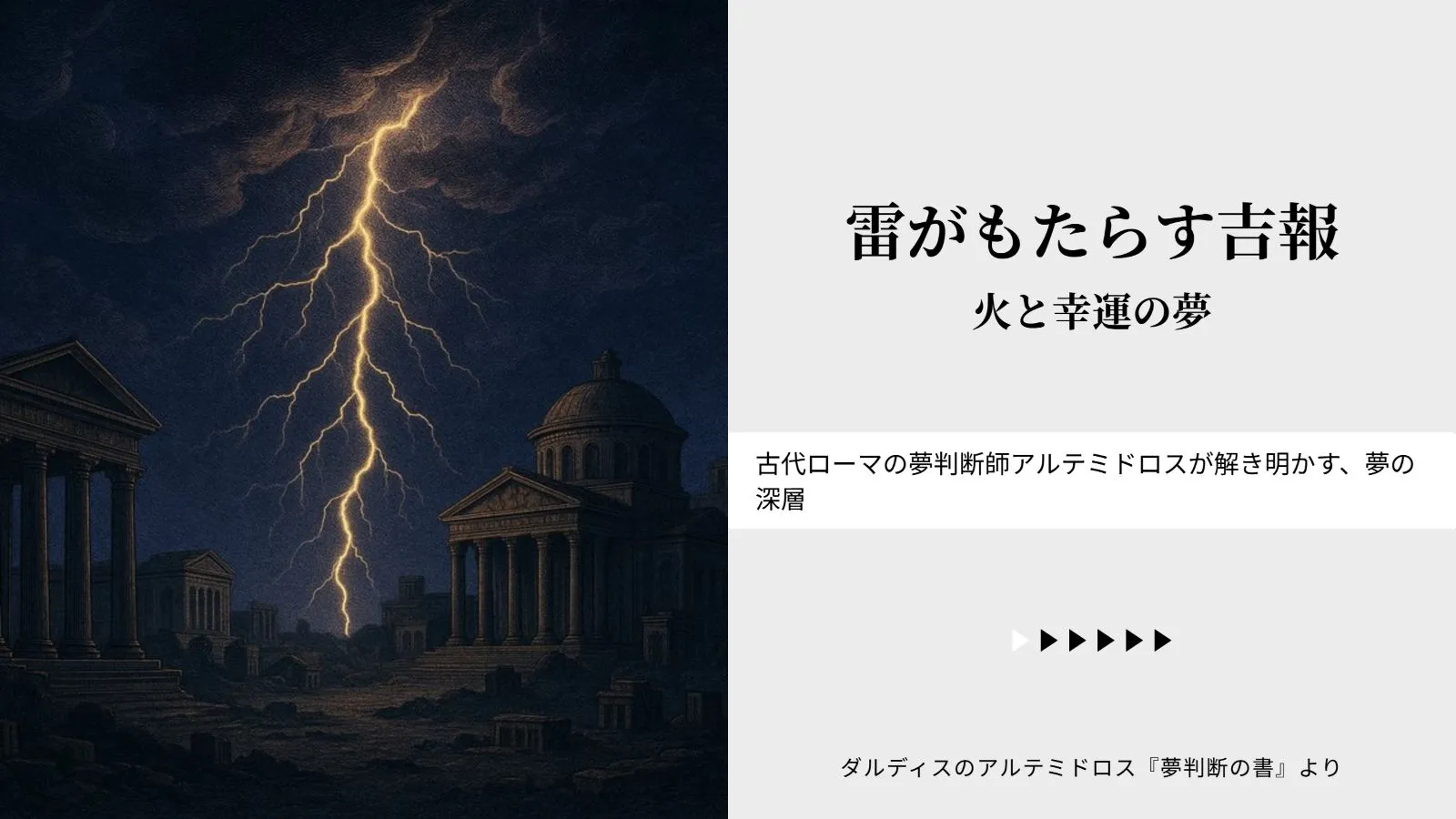
Dreaming of Lightning: What the Ancient Greeks Believed It Meant
Being struck by lightning in a dream was not an omen of disaster. Artemidorus, antiquity's greatest dream interpreter, read it as a promise that a poor man's life would be overturned for the better. Here is what the original text actually says.
Essays · 9/11/2025
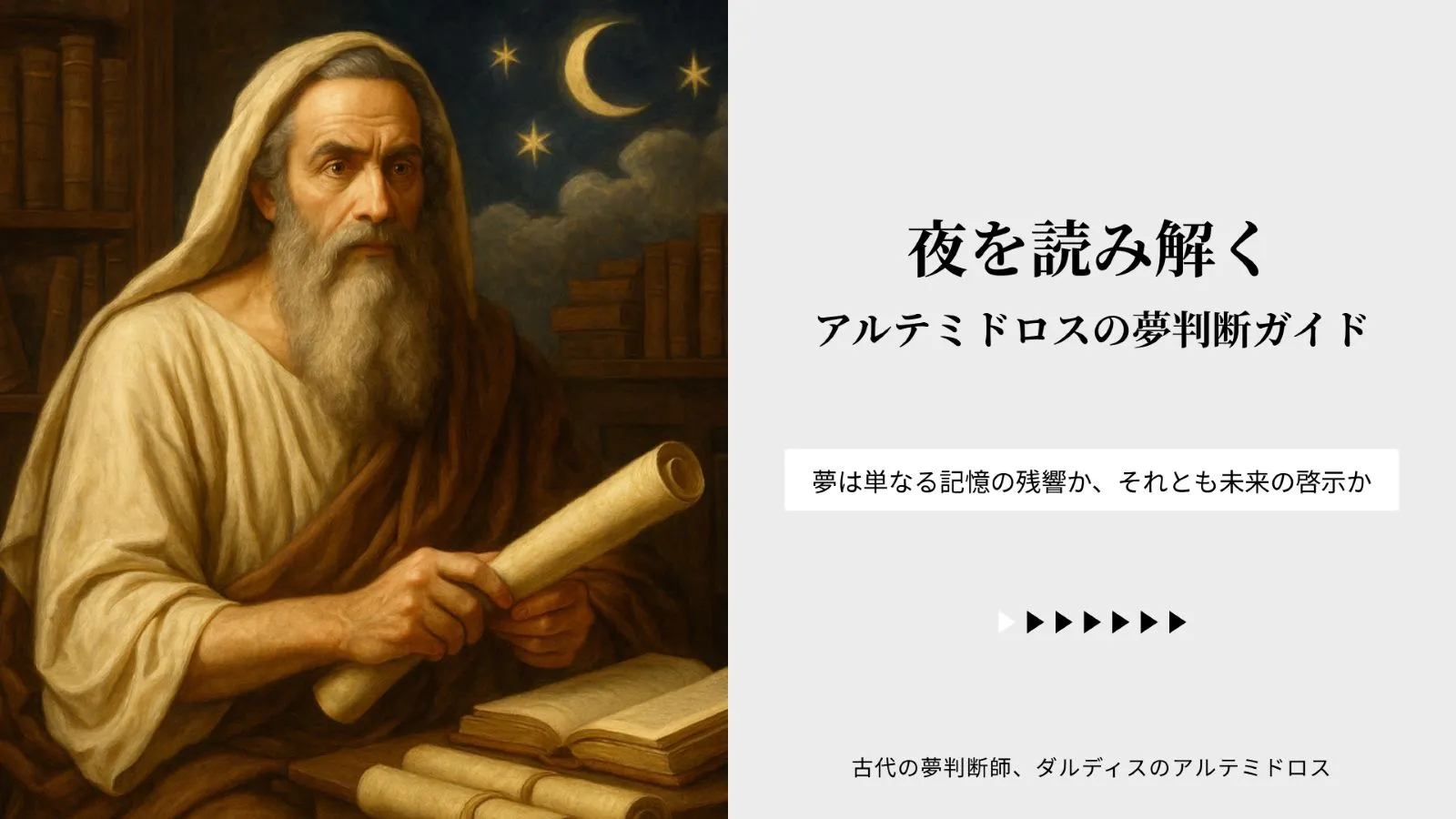
Artemidorus: How the Ancient Greeks Interpreted Dreams
Antiquity's greatest dream interpreter held that the same dream meant different things depending on the dreamer's status, trade, and circumstances. An introduction to this systematic ancient method, drawn from the Oneirocritica itself.
Quote Collections · 1/23/2025
When You Were Still a Child — Tales of the Forgotten Heart
Once upon a time, there lived children wiser than anyone, who knew neither calculation nor lies. They understood that what truly matters is not complex logic, but an honest heart that weeps and laughs for the sake of others. Come, let us return to that nostalgic forest to search for our lost treasures.
Quote Collections · 1/23/2025
In Search of Lost Truth - The Corruption Called Maturity
The wish to "return to childhood" is not merely nostalgia. It is a thirst for the "mirror that reflects the world as it is," which we let go of in the process of adapting to society. Their overwhelming "power to live in the now" quietly yet sharply pierces through the deception of adults armed with reason and calculation.