

Shaping the Future of Humanities with AI
A Textual Research & Analysis Platform — designed to accelerate your research workflow
Apps

Humanitext Antiqua
Ask questions about Greek and Roman literature in your own words. Each response points back to the passages on which it is based, so conversation leads naturally into reading and verification.

Humanitext Aozora
Explore more than 17,000 works from Aozora Bunko through conversation. Answers cite the works and link back to the original text, supporting both discoveries across authors and close inquiry within a single book.

Humanitext OCR
Turn images and PDFs into usable text with AI that takes the document’s context into account. Process many PDFs at once, proofread line by line, and produce searchable PDFs in one continuous workflow.
Humanitext GEO
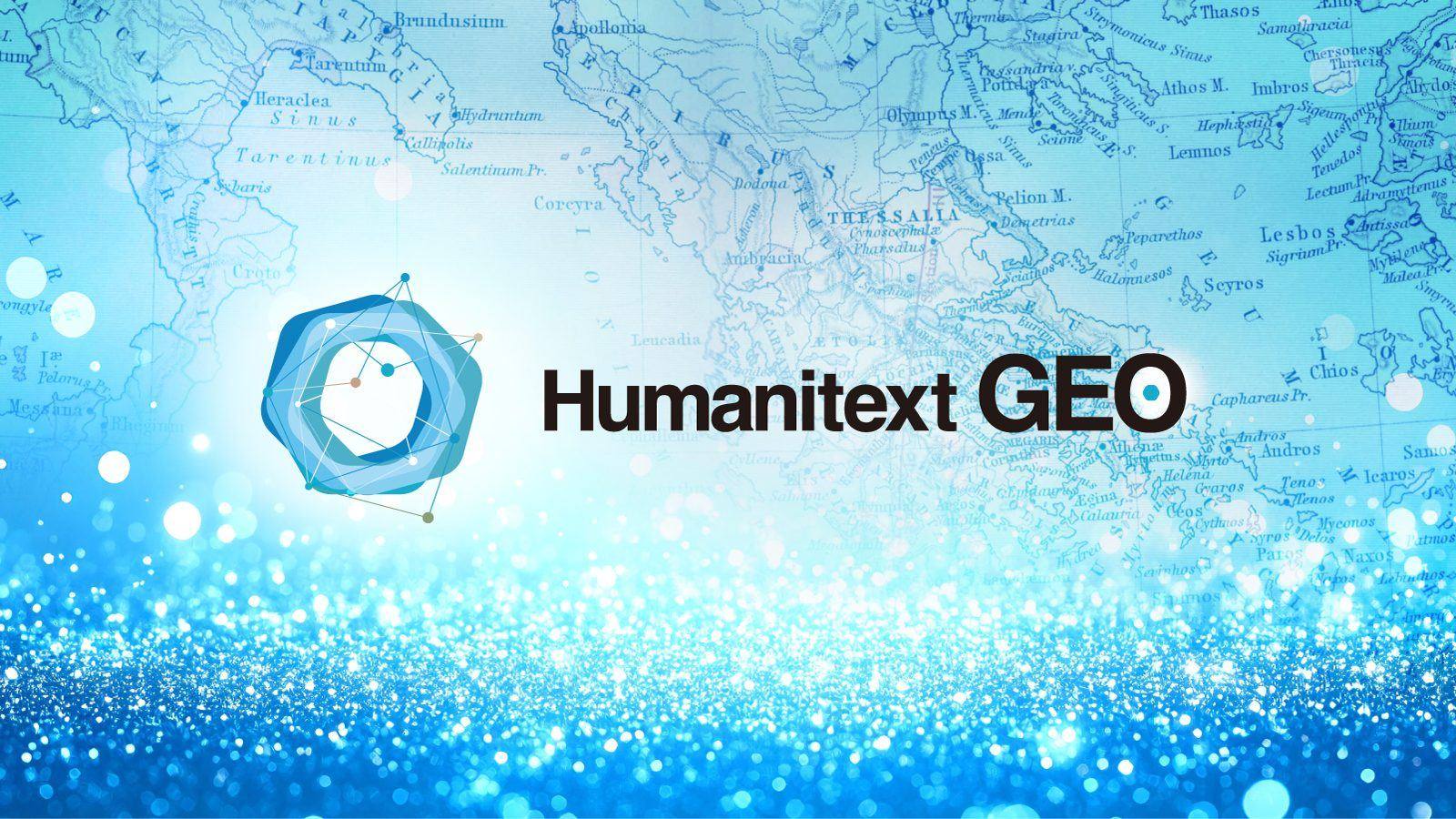
Humanitext GEO is an interactive visualization that maps the lives, places, and works of ancient Greek and Roman authors across time and space. Combining a timeline with a geographic map powered by ancient world cartography, it lets you explore where classical authors lived, worked, and traveled throughout the Mediterranean. Its Explore feature uses Retrieval-Augmented Generation (RAG) to answer questions about ancient cities, drawing on passages written by authors who were active in that era — grounded in primary sources from Greek and Latin literature.
Humanitext Reader
Read Greek and Latin classics sentence by sentence, with the original beside translations in English, Japanese, Chinese, and Korean. Dictionaries and grammatical notes support the reading, while reader feedback steadily improves the library.
Latest News
8/10/2026
Invited Talk "From Digitization to AI-Readiness" at the DiHuCo Hub Symposium 2026
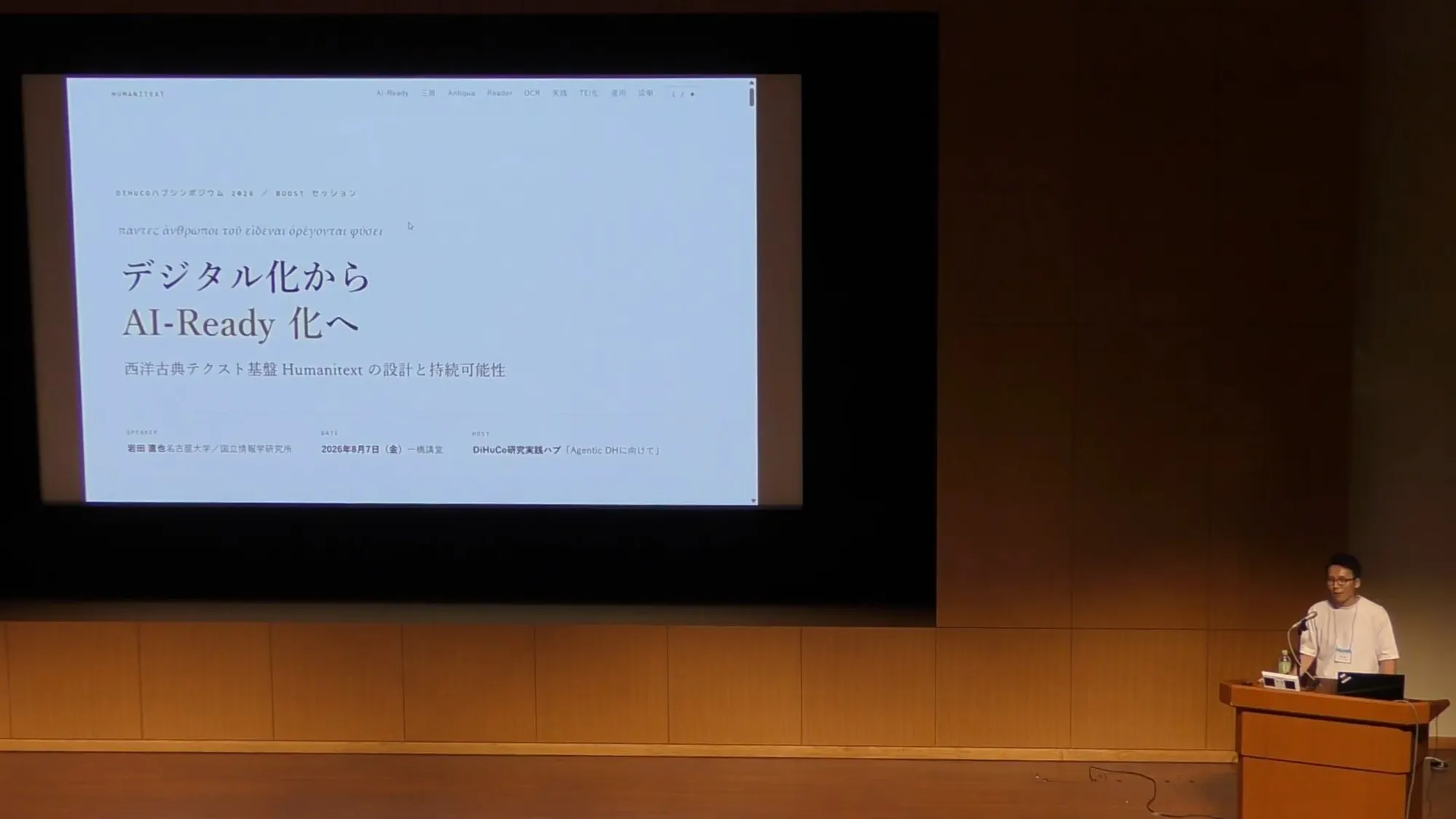
On August 7, 2026, at the DiHuCo Hub Symposium 2026 "Toward Agentic DH" held at Hitotsubashi Hall in Tokyo, Naoya Iwata spoke on the design and sustainability of Humanitext as a text infrastructure for Western classics, in the JST BOOST session.
8/3/2026
Humanitext at DH2026: Three Presentations in Daejeon, South Korea
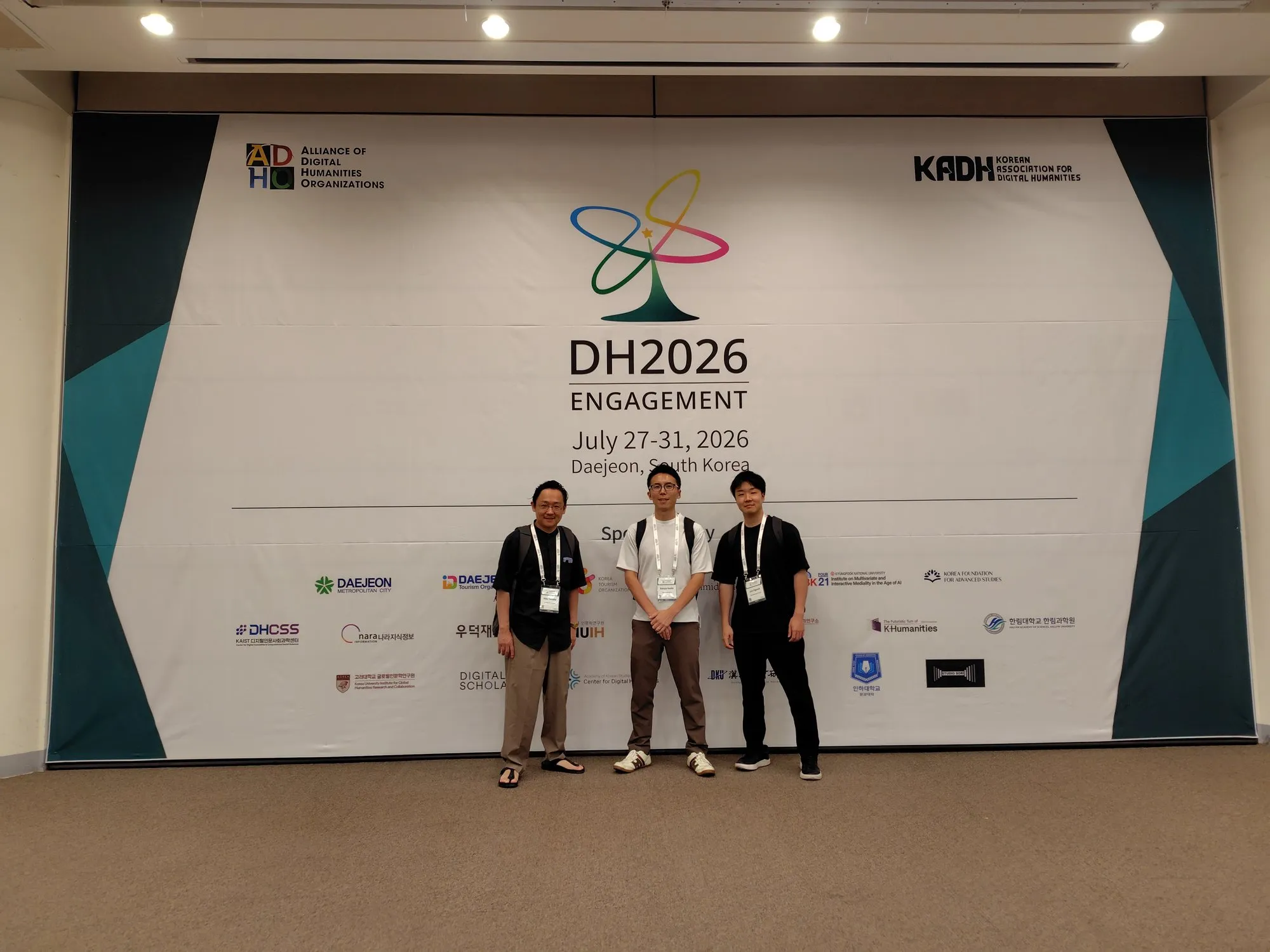
At DH2026, the ADHO international digital humanities conference held in Daejeon in late July 2026, the Humanitext project presented two short papers and a poster, covering RAG data architecture, user interaction in Humanitext Aozora, and AI video synthesis of classical narratives.
6/29/2026
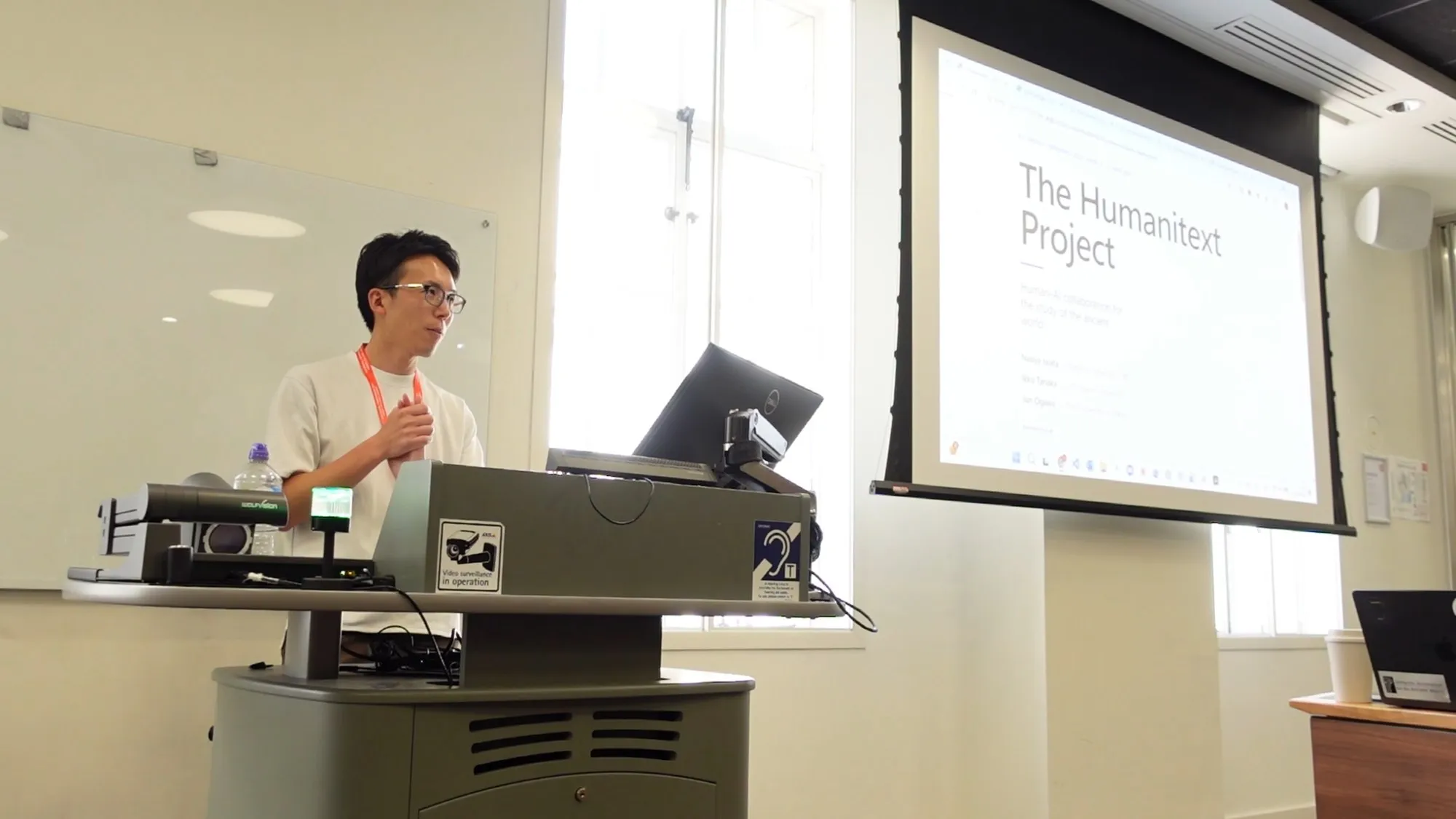
Humanitext Panel at The Digital Conference 2026, King's College London
On June 25, 2026, Naoya Iwata, Ikko Tanaka, and Jun Ogawa presented the panel "Forging Generative Philology" at The Digital Conference 2026 at King's College London. All three talks are now available on YouTube.
6/18/2026
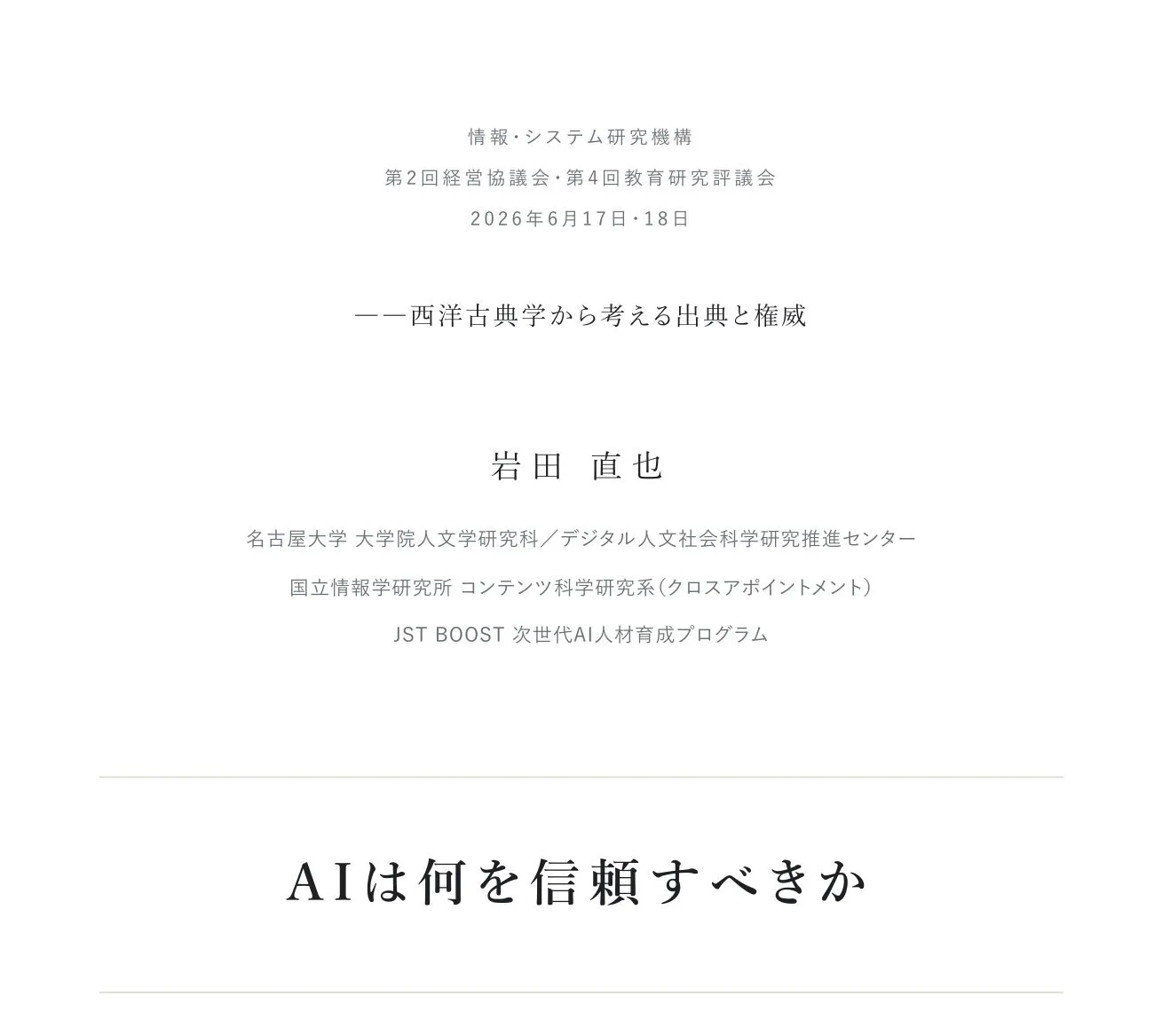
Naoya Iwata Presented Research to Two ROIS Councils
On June 17–18, 2026, Naoya Iwata gave a research presentation titled "What Should AI Trust? Sources and Authority from the Perspective of Classical Studies" to the Management Council and the Education and Research Council of the Research Organization of Information and Systems.
From the Blog
Essays · 9/18/2026
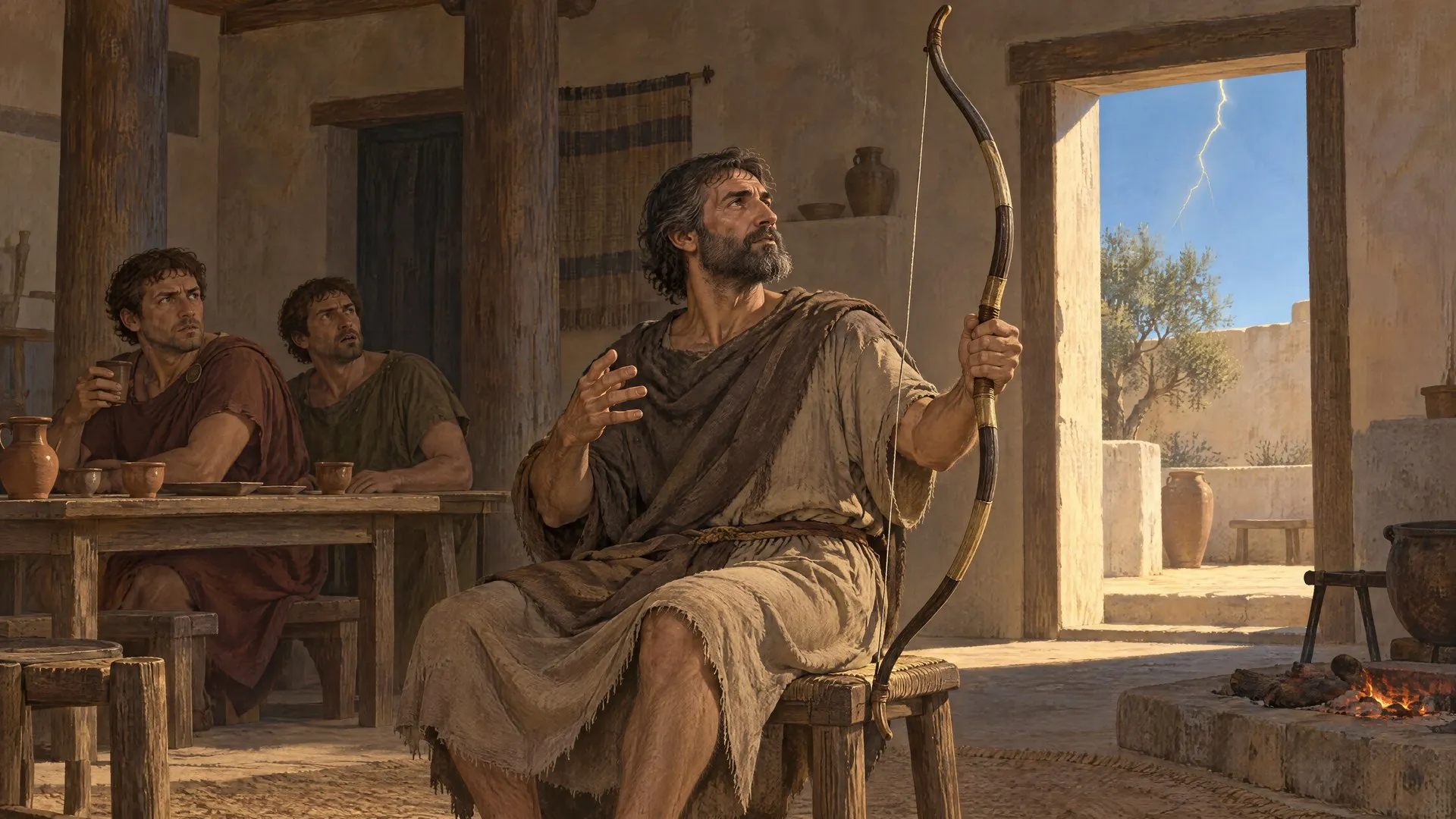
The God Who Makes Men Forget, the Man Who Will Not: The Ending of the Odyssey
For anyone left unsettled by the ending of the film The Odyssey. The original goes on after the suitors are killed, and it closes with a god making the people forget so that peace can follow. How did the film change that ending? Two endings, on forgetting and memory, read side by side from the lines of the poem (the film's ending is discussed).
Essays · 9/10/2026
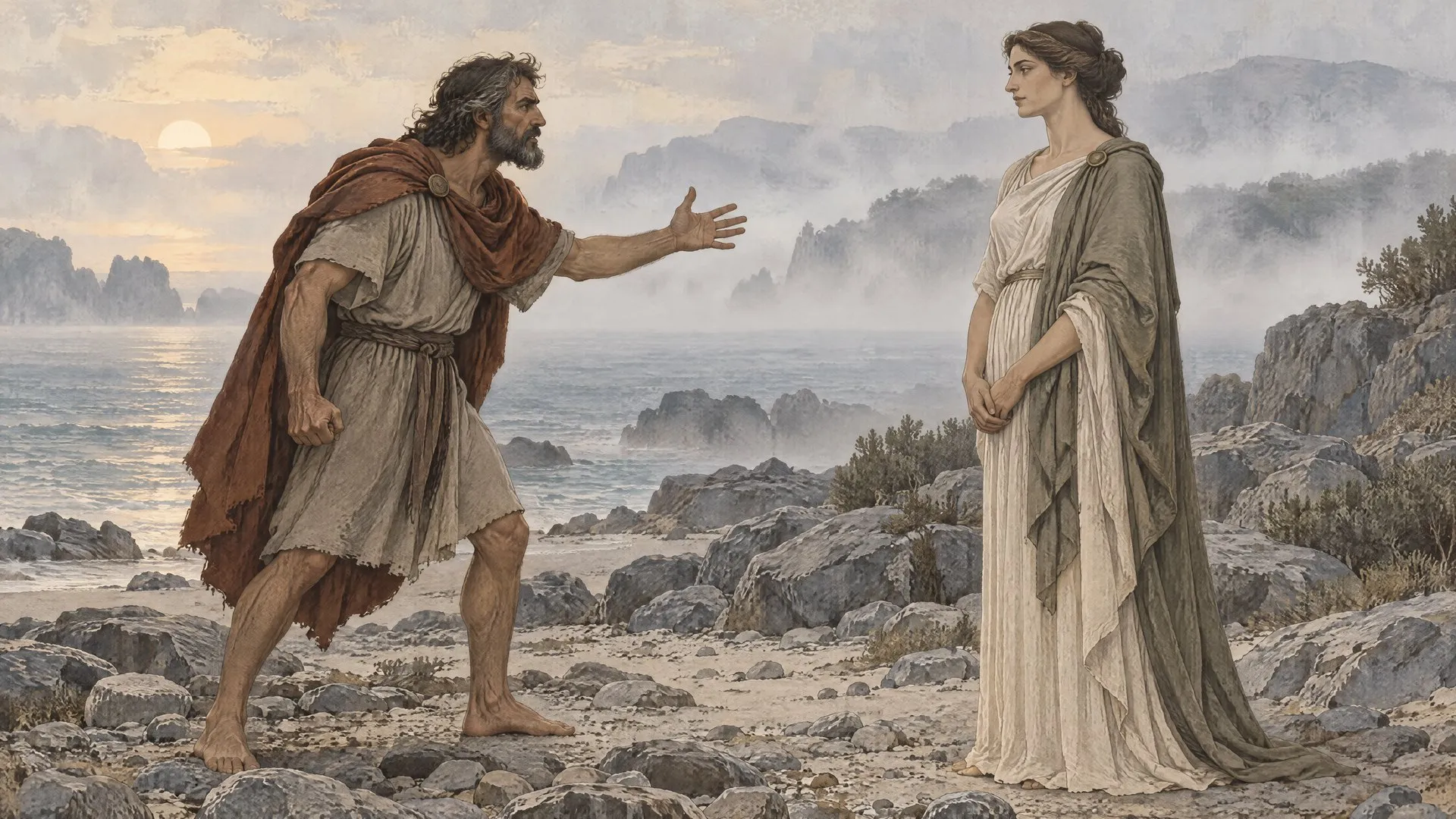
Athena in the Odyssey: How Do Homer and the Film Differ?
Why does the film's Athena neither save the hero nor blame him? Set her beside the goddess of the original, who shares her cunning with Odysseus and intervenes at every turn of his homecoming, and the film's design comes into focus.
Project Notes · 9/9/2026
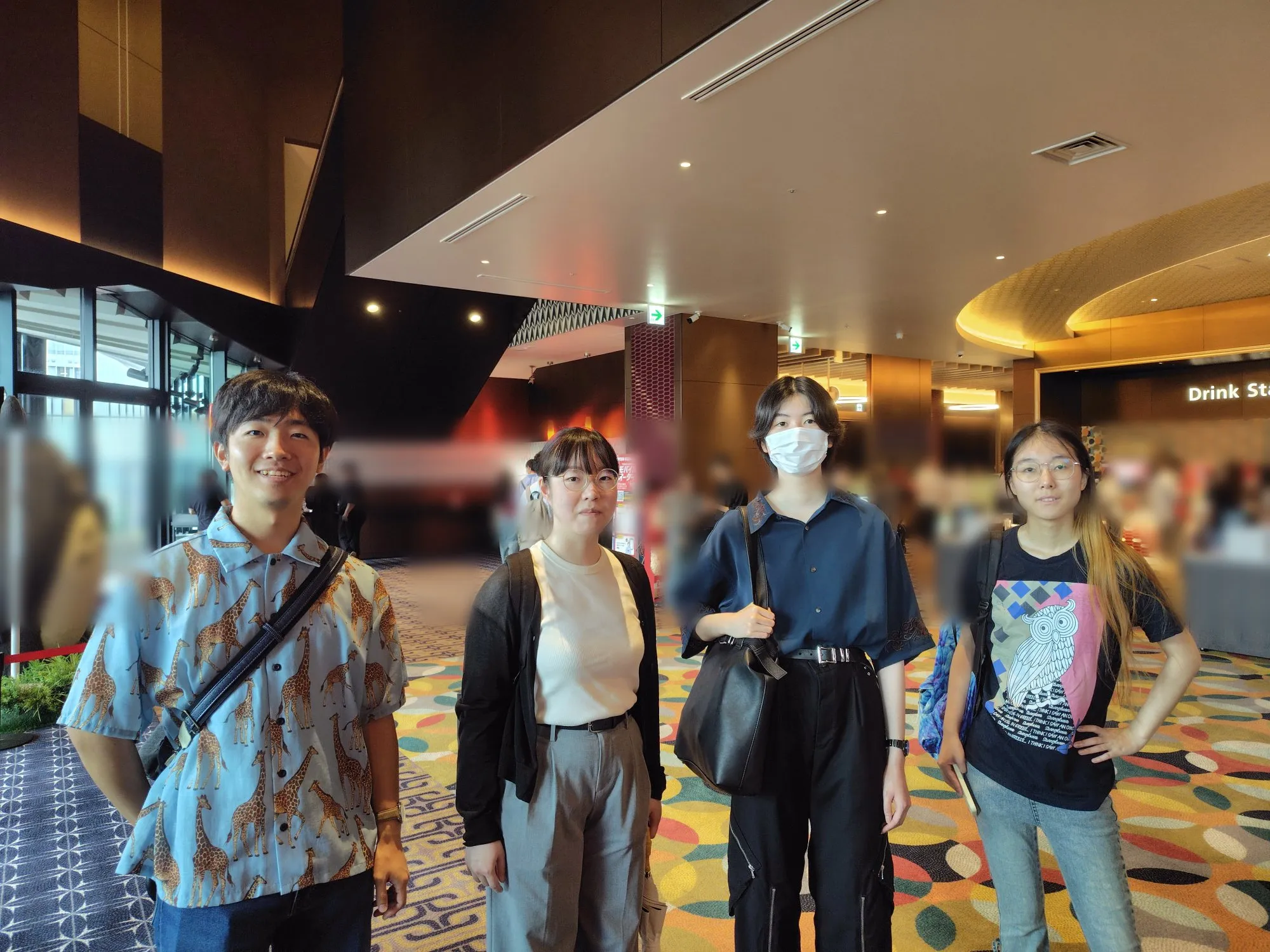
We Went to See The Odyssey
Four of us from Humanitext saw Christopher Nolan's The Odyssey at an advance screening. Over lunch the talk turned to the armored giants, the Sirens' song, and the journey after the homecoming. Here is what the original says about each, without spoilers.
Essays · 8/27/2026
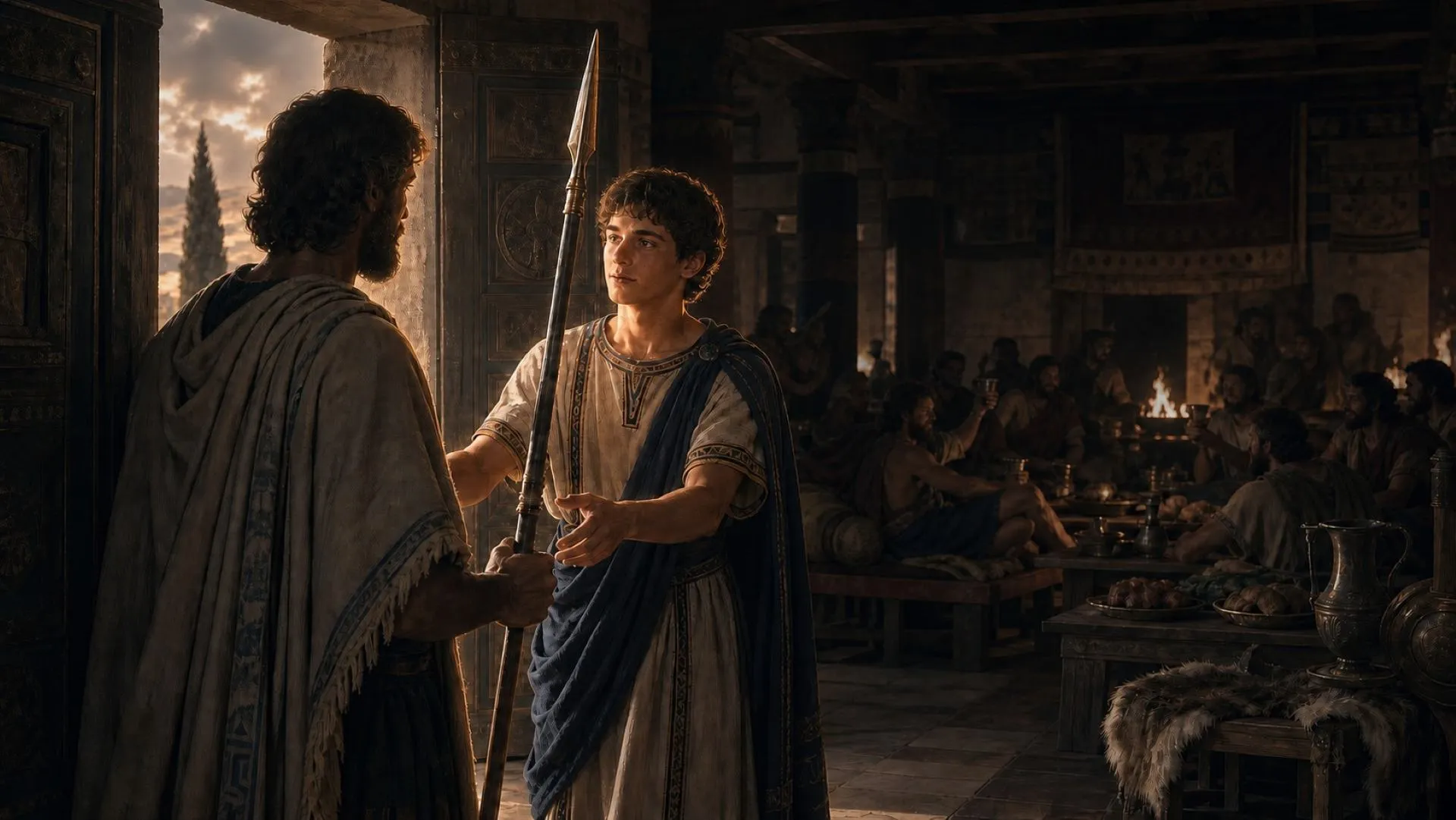
Ask the Guest's Name After the Meal: The “Law of Zeus” in the Odyssey
The suitors eat and drink their way through Odysseus's house. What is the “law of Zeus” that governs the treatment of guests? Scenes of hospitality in Homer's Odyssey show how a guest should be received, and how far the suitors have strayed from it.